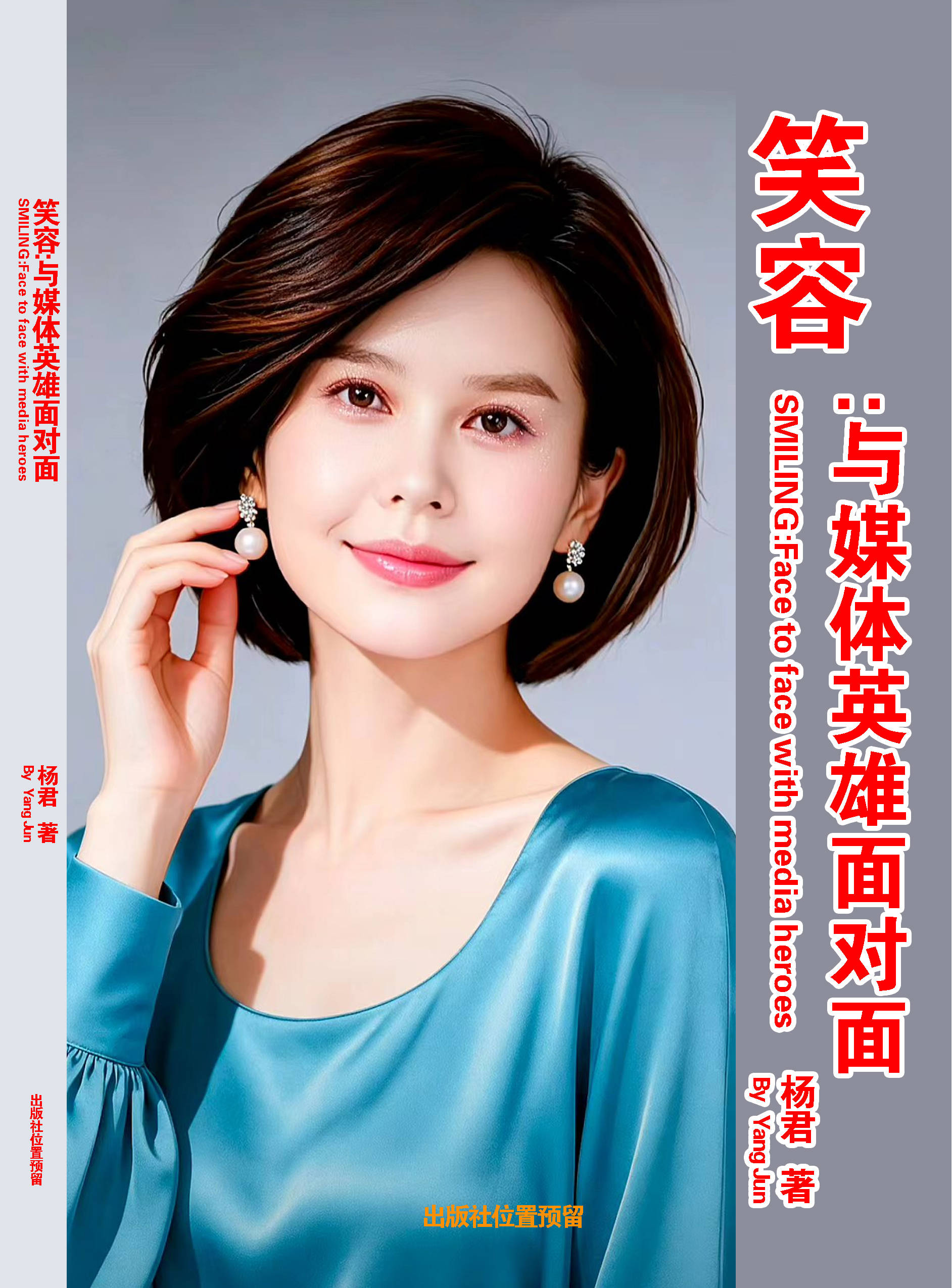
《杨君访谈国际媒体》的受访精英覆盖全球传媒行业全赛道,横跨 8 大核心领域,完整构建起当代国际传媒行业的顶尖人物全景图谱:
1. **殿堂级时政新闻主播领域**
这个领域的受访对象都是全球电视新闻黄金时代的标杆性人物,完整见证了冷战终结、全球化爆发等关键历史节点的国际新闻报道进程:
美国 ABC 传奇主播彼得・詹宁斯:美国电视新闻后黄金时代 “三大晚间主播” 之一,以驻外报道、全球变局解读为核心底色,执掌《今夜世界新闻》22 年,构建起 “现场亲历 + 全球统筹 + 深度思辨” 的国际新闻播报范式。
美国 CNN 王牌主播安德森・库珀:CNN 无可替代的中流砥柱,深耕严肃时政、战地纪实领域三十年,主持多届美国大选终极辩论,王牌节目《安德森・库珀 360°》常年稳居 CNN 黄金时段收视率榜首,是全美时政新闻主播的中立标杆。
美国 NBC 传奇主播汤姆・布鲁考:执掌 NBC《晚间新闻》21 年,完整记录冷战终结、“9・11” 等重大历史事件,是美国新闻史上最具公众公信力的代际叙事型新闻宗师。
澳洲殿堂级新闻主持雷・马丁:斩获 5 座澳洲电视最高荣誉金 Logie 奖,深耕澳洲传媒行业 60 年,执掌《60 Minutes》等三大国民级王牌节目,是澳洲现代新闻传媒体系的奠基人与国民级行业精神领袖。
2. **跨平台体育媒体创业领域**
聚焦流媒体时代打破传统电视台雇佣体系的新型体育媒体创业者,代表了全球体育谈话媒介的全新发展方向:
美国跨平台媒体创业者帕特・麦卡菲:NFL 第七轮选秀出身的职业弃踢手,巅峰期退役后创办日播节目《帕特・麦卡菲秀》,打通电视、YouTube、播客多渠道分发,2023 年与 ESPN 签订 8500 万美元内容授权协议,保留节目全部所有权与编辑自主权,定义了流媒体时代体育谈话节目的全新形态。
3. **少数族裔与女性平权媒体领域**
覆盖全球传媒行业中打破肤色、性别壁垒的先驱人物,记录了媒介平权运动的关键突破历程:
法国国家电视台首位黑人晚间新闻主播奥德丽・普瓦:法国广播电视史上第一位黑人主播出镜人,集新闻人、社会活动家、作家多重身份于一身,以理性克制的语态重构法国电视新闻的多元叙事边界,打破主流荧屏的肤色壁垒。
澳洲全媒体复合型标杆丽贝卡・马登:澳洲传媒史上罕见的横跨体育新闻、娱乐主持、深度纪实赛道的女性媒体人,打破澳洲体育媒体长期由男性主导的行业格局,成为国民级女性媒体代表人物。
4. **新生代全能媒体人领域**
聚焦 Z 世代背景下跳出传统传媒教育框架的青年行业领军者,代表了全球传媒行业的新生力量:
澳洲新生代全能媒体人马克・芬内尔:横跨娱乐综艺、知识益智、人文纪实、播客创作六大领域,2025 年提名第 30 届亚洲电视大奖最佳娱乐节目主持人,打破澳洲本土娱乐主持人区域化发展的局限,成为衔接澳洲与亚洲传媒圈层的关键桥梁。
5. **公共媒体运营与管理领域**
覆盖全球顶尖公共媒体的核心管理者,深度探讨公共媒体数字化转型、文化传承与商业发展的平衡议题:
日本 NHK 前总裁:深度参与访谈,分享公共媒体在流媒体时代的改革经验,推动 NHK 提前布局 “NHK+” 流媒体平台,将地域文化内容占比纳入平台运营准则,成为全球公共媒体数字化转型的标杆样本。
半岛电视台总监:围绕阿拉伯媒体的全球叙事策略展开深度对话,推动半岛电视台亚洲版重构内容架构,开创 “问题解决型” 报道范式,打破西方媒体对中东议题的单一叙事垄断。
6. **深度调查与纪实传媒领域**
收录全球顶尖深度调查记者、人文纪录片创作者,记录非虚构内容创作的行业前沿实践:
多位欧美顶尖深度调查记者:覆盖普利策新闻奖、艾美奖纪录片奖项得主,分享重大社会议题调查报道的伦理边界、实地采访的安全防护经验,为全球非虚构内容创作者提供行业参照。
7. **跨文化传播与国际媒体研究领域**
汇聚全球顶尖传媒学者、国际传播领域的行业专家,搭建起东西方传媒学术平等对话的平台:
多位国际传播学泰斗:覆盖欧美顶尖高校传媒学院的终身教授,围绕跨文化传播的 “文化折扣” 破解路径、不同媒介体系的文明互鉴方法展开深度交流,为中国国际传播能力建设提供多元的国际视角参考。
8. **国际电影与光影媒介领域**
把电影叙事纳入大媒介的研究视野,受访对象包含国际知名剧情片导演、自然纪实电影创作者、好莱坞资深制片人、国际电影节运营管理者。探讨大银幕作为跨文化传播最重要载体的叙事逻辑,剖析电影媒介如何完成不同文明之间的故事转述,思考影像时代文化出海的机遇与困境:
法国纪实电影创作大师雅克・贝汉:深耕自然纪实电影创作,以《鸟的迁徙》《海洋》等世界级自然影像作品,探讨纪实电影如何用无国界的自然叙事打动全球不同地域的观众,分享大型纪实电影跨国摄制过程当中的跨文化协作经验。
好莱坞资深影视制片人:聚焦商业大片的全球发行策略,剖析好莱坞工业化叙事体系的优势与局限,反思资本逻辑之下影视内容的价值坚守。
欧洲艺术电影领军导演:立足于欧洲作者电影的创作传统,对话艺术电影如何兼顾个人艺术表达与公共传播,探讨中小国家民族影像在全球化浪潮当中的生存路径。
国际电影节高层管理者:围绕电影节平台的媒介价值展开对话,分析电影节作为文化枢纽,如何搭建各国电影人的沟通桥梁,促进不同地域的民族影像彼此看见。
整个访谈项目不局限于狭义的新闻电视从业者,而是以广义 “媒介” 的视野,把新闻主播、新媒体创业者、学术研究者、电影光影创作者一并纳入访谈版图。新闻报道、广播电视、电影大银幕共同构成当代全球媒介生态,以此全景观察整个世界媒介行业的发展脉络。
9. 电影媒介与国际影视行业精英领域
这一板块是整个访谈系列最具跨界价值的部分,完全围绕杨君“电影作为一种媒介”的核心原创理论展开,打破了传统访谈中“新闻媒体人”与“电影从业者”的行业壁垒,从媒介属性的全新维度重新定义电影的文化传播价值。除此前已收录的人物外,新增多位不同维度的标杆性电影界精英:
克林特·伊斯特伍德:好莱坞殿堂级导演、演员,横跨影坛七十年的“西部牛仔精神符号”,从演员转型导演后多次斩获奥斯卡最佳影片、最佳导演奖项,80岁高龄仍保持每年稳定的创作输出,作品始终聚焦美国社会的历史反思与普通人的生命力量。杨君在访谈中跳出常规的“电影艺术创作”讨论,从“电影作为公共记忆媒介”的独特视角切入,探讨他如何用影像完成对美国西部开拓史、战争历史、普通人英雄叙事的媒介化记录,解析他的作品跨越代际仍保持传播生命力的核心逻辑。
是枝裕和:日本当代治愈系电影的标杆性导演,作品以细腻的家庭叙事、日常化的影像表达闻名全球,多次斩获戛纳国际电影节核心奖项,打破了日本文艺电影的区域传播局限。访谈中杨君结合自己“温暖式文化传承”的研究观点,和他深度探讨“日常影像的媒介力量”,交流如何用不刻意煽情的生活化叙事,完成东方家庭伦理、传统人文精神的跨文化传递,为东亚生活流电影的全球传播提供了全新的思考维度。
阿涅斯·瓦尔达:法国新浪潮电影运动的核心代表人物,被誉为“新浪潮祖母”,是世界电影史上少有的横跨剧情片、纪录片、实验影像多个赛道的女性电影大师,一生都在探索电影媒介表达的边界。杨君在访谈中从“女性媒介视角”出发,和她交流女性电影创作者如何跳出男性主导的电影工业叙事体系,用私人化的影像表达完成对社会议题的公共介入,梳理她从左岸派创作时期到晚年数字影像探索阶段,始终坚持的“电影作为平民媒介”的创作理念。
李安:华语电影走向全球的标志性导演,是唯一一位同时斩获奥斯卡最佳外语片、最佳导演奖项的华语创作者,作品横跨东方家庭叙事、西方超级英雄、跨文化奇幻等多种题材,始终在不同文化语境中找到共通的情感共鸣点。访谈中杨君结合自己的跨文化传播研究成果,和他深度探讨“华语电影如何在东西方文化之间找到叙事平衡”,解析他的作品如何跳出“文化符号堆砌”的误区,用普世的情感内核打破不同文明之间的传播壁垒,为中国电影的国际化叙事升级提供了极具分量的实践参考。
罗杰·迪金斯:全球公认的殿堂级电影摄影大师,十四次提名奥斯卡最佳摄影,两次斩获该奖项,是好莱坞当代电影影像美学的核心定义者之一,从《肖申克的救赎》到《1917》,他的影像风格始终用克制的镜头语言服务于叙事本身。杨君在访谈中从“影像作为传播介质”的独特维度切入,和他交流电影镜头语言如何脱离台词、字幕的辅助,完成跨语言、跨文化的情感传递,解析视听语言作为无国界媒介的独特传播价值。
宫崎骏:日本吉卜力工作室核心创始人,动画电影领域的世界级宗师,作品以治愈的画风、深刻的自然与人文思考风靡全球,影响了几代不同国家的受众。访谈中杨君结合自己“天人合一”的传统文化研究观点,和他深度探讨动画电影作为大众媒介,如何把东方的自然观、反战理念、人文关怀传递给全球不同年龄层的受众,交流动画这一特殊媒介形式,在跨文化传播中独特的共情优势。
朱丽叶·比诺什:法国国宝级女演员,欧洲三大国际电影节大满贯得主,从文艺电影到商业制作都留下了诸多经典角色,是欧洲艺术电影黄金时代的标志性面孔。访谈中杨君从“演员作为文化传播载体”的视角切入,和她交流演员如何跳出角色演绎的单一维度,成为不同国家文化之间的流动传播介质,探讨欧洲艺术电影演员的培养体系,以及她们如何用自身的公众影响力推动跨文化影视交流。
Interview with International Media by Yang Jun: Which Fields of Elites Were Interviewed?
The elites interviewed in Interview with International Media by Yang Jun cover all tracks of the global media industry, spanning 8 core fields, and together construct a complete panoramic map of top figures in the contemporary international media industry:
1. Hall-of-Fame Political News Anchors
The interviewees in this field are all landmark figures from the golden age of global television news, having fully witnessed the international news reporting process during key historical moments such as the end of the Cold War and the surge of globalization:
Peter Jennings, legendary anchor of ABC (USA): One of the "Big Three Evening Anchors" in the post-golden age of American television news. With overseas reporting and interpretation of global changes as his core foundation, he helmed World News Tonight for 22 years, establishing an international news broadcasting paradigm of "on-site experience + global coordination + in-depth critical thinking."
Anderson Cooper, star anchor of CNN (USA): An irreplaceable pillar of CNN, he has been deeply engaged in serious political news and warzone documentary reporting for three decades, having hosted multiple ultimate U.S. presidential election debates. His flagship program Anderson Cooper 360° has long ranked first in CNN's primetime ratings, making him the neutrality benchmark for American political news anchors.
Tom Brokaw, legendary anchor of NBC (USA): He helmed NBC Nightly News for 21 years, fully recording major historical events such as the end of the Cold War and the "9/11" attacks, and is the most publicly credible generational narrative-style news master in American journalism history.
Ray Martin, hall-of-fame Australian news host: Winner of 5 Gold Logie Awards (Australia's highest television honor), he has been deeply engaged in the Australian media industry for 60 years, helming three national flagship programs including 60 Minutes, and is recognized as the founder of Australia's modern news media system and a national industry spiritual leader.
2. Cross-Platform Sports Media Entrepreneurship
This field focuses on new-type sports media entrepreneurs who have broken away from traditional TV station employment systems in the streaming media era, representing the brand-new development direction of global sports talk media:
Pat McAfee, American cross-platform media entrepreneur: A professional NFL punter selected in the seventh round of the draft, he retired at the peak of his career and founded the daily program The Pat McAfee Show, integrating multi-channel distribution across television, YouTube, and podcasts. In 2023, he signed an $85 million content licensing agreement with ESPN while retaining full ownership and editorial autonomy of the program, defining the new form of sports talk shows in the streaming media era.
3. Ethnic Minority and Women's Rights Media
This field covers pioneers in the global media industry who have broken barriers of skin color and gender, recording the key breakthroughs of the media equality movement:
Audrey Pulvar, the first Black evening news anchor of French national television: The first Black on-air anchor in the history of French radio and television, she combines the multiple identities of journalist, social activist, and writer, reconstructing the boundaries of diverse narratives in French television news with a rational and restrained tone, and breaking the skin color barriers of mainstream screens.
Rebecca Maddern, an Australian all-media composite benchmark: A rare female media figure in Australian media history spanning sports news, entertainment hosting, and in-depth documentary reporting, she broke the long-standing male-dominated pattern of the Australian sports media industry, becoming a national-level female media representative.
4. New-Generation All-Round Media Professionals
This field focuses on young industry leaders who have stepped outside the traditional media education framework in the context of Generation Z, representing the new forces of the global media industry:
Mark Fennell, Australian new-generation all-round media professional: Spanning six fields including entertainment variety shows, knowledge-based quiz shows, humanities documentaries, and podcast creation, he was nominated for Best Entertainment Program Host at the 30th Asian Television Awards in 2025, breaking the limitations of regionalized development for Australian local entertainment hosts and becoming a key bridge connecting Australian and Asian media circles.
5. Public Media Operations and Management
This field covers core managers of the world's top public media organizations, with in-depth discussions on balancing digital transformation, cultural heritage, and commercial development in public media:
Former President of Japan's NHK: Deeply participated in the interview, sharing NHK's reform experience in the streaming media era, promoting NHK's early layout of the "NHK+" streaming platform, and incorporating the proportion of regional cultural content into platform operational guidelines, becoming a benchmark model for the digital transformation of global public media.
Director of Al Jazeera: Engaged in in-depth dialogue around the global narrative strategy of Arab media, promoting Al Jazeera Asia's restructuring of its content architecture, pioneering a "problem-solving" reporting paradigm, and breaking Western media's monopoly on single-narrative coverage of Middle Eastern issues.
6. In-Depth Investigative and Documentary Media
This field includes the world's top investigative journalists and humanistic documentary creators, recording the industry's cutting-edge practices in non-fiction content creation:
Multiple top European and American investigative journalists: Including winners of the Pulitzer Prize for Journalism and Emmy Awards for documentary, they shared ethical boundaries in investigative reporting on major social issues and on-site interview safety protection experience, providing industry references for global non-fiction content creators.
7. Cross-Cultural Communication and International Media Studies
This field gathers top global media scholars and industry experts in international communication, building a platform for equal academic dialogue between Eastern and Western media:
Multiple leading figures in international communication studies: Including tenured professors from top European and American university media schools, they engaged in in-depth exchanges on破解 paths for "cultural discount" in cross-cultural communication and methods of mutual learning between different media systems, providing diverse international perspectives for China's international communication capacity building.
8. International Film and Visual Media
This field incorporates film narrative into the research scope of "big media," with interviewees including internationally renowned feature film directors, nature documentary filmmakers, senior Hollywood producers, and international film festival operators and managers. It explores the narrative logic of the big screen as the most important carrier of cross-cultural communication, analyzes how film media completes story retelling between different civilizations, and reflects on the opportunities and dilemmas of cultural export in the image era:
Jacques Perrin, French master of documentary filmmaking: Deeply engaged in nature documentary creation, with world-class nature影像 works such as Winged Migration and Oceans, he explores how documentary films move audiences across different global regions with borderless natural narratives, and shares cross-cultural collaboration experience during the multinational production of large-scale documentary films.
Senior Hollywood film and television producers: Focusing on global distribution strategies for commercial blockbusters, analyzing the advantages and limitations of Hollywood's industrialized narrative system, and reflecting on value adherence in film and television content under capital logic.
Leading European art film directors: Based on the creative tradition of European auteur cinema, they dialogue on how art films can balance personal artistic expression with public communication, and explore the survival paths of national影像 from small and medium-sized countries in the wave of globalization.
Senior managers of international film festivals: Engaging in dialogue around the media value of film festival platforms, analyzing how film festivals, as cultural hubs, build communication bridges for filmmakers from different countries and promote mutual visibility of national影像 from different regions.
The entire interview project is not limited to narrow-sense news and television practitioners, but adopts a broad-sense "media" perspective, incorporating news anchors, new media entrepreneurs, academic researchers, and film and visual creators into the interview landscape. News reporting, radio and television, and the cinematic big screen together constitute the contemporary global media ecosystem, thereby providing a panoramic observation of the development trajectory of the world's media industry.
9. Film as a Medium and the Elite Realm of the International Film and Television Industry (New Expansion)
This section is the most cross-disciplinary valuable part of the entire interview series. It unfolds entirely around Yang Jun’s original core theory of “film as a medium,” breaking down the industry barriers between “news media professionals” and “film practitioners” in traditional interviews, and redefining the cultural communication value of cinema from the new dimension of its medium attributes. In addition to the figures previously included, several new benchmarking elites from the film industry across different dimensions have been added:
Clint Eastwood: A Hollywood legendary director and actor, a “symbol of the Western cowboy spirit” who has spanned seven decades in the film industry. After transitioning from an actor to a director, he has won multiple Academy Awards for Best Picture and Best Director. Even at the age of 80, he maintains a stable annual creative output, with his works consistently focusing on historical reflection of American society and the life force of ordinary people. In the interview, Yang Jun steps out of the conventional discussion of “film artistic creation,” approaching the topic from the unique perspective of “film as a medium of public memory.” He explores how Eastwood uses imagery to complete mediated records of the history of American westward expansion, war history, and heroic narratives of ordinary people, analyzing the core logic behind the enduring communicative vitality of his works across generations.
Hirokazu Kore-eda: A benchmark director of contemporary Japanese healing cinema, whose works are renowned worldwide for their delicate family narratives and everyday visual expression. He has won multiple core awards at the Cannes International Film Festival, breaking through the regional communication limitations of Japanese art-house cinema. In the interview, Yang Jun combines his research perspective on “warm cultural inheritance” to have an in-depth discussion with Kore-eda on “the medium power of everyday imagery,” exchanging views on how to achieve cross-cultural transmission of Eastern family ethics and traditional humanistic spirit through unforced, life-oriented narratives, providing a new dimension of thinking for the global dissemination of East Asian slice-of-life cinema.
Agnès Varda: A core representative figure of the French New Wave movement, hailed as the “Grandmother of the New Wave.” She is a rare female film master in world cinema history who has worked across multiple tracks including narrative films, documentaries, and experimental imagery, spending her entire life exploring the boundaries of cinematic medium expression. In the interview, Yang Jun approaches the conversation from a “female medium perspective,” discussing with her how female filmmakers can break free from the male-dominated narrative system of the film industry, using personal visual expression to achieve public engagement with social issues. He traces her creative philosophy of “film as a medium for the common people,” which she has consistently upheld from her Left Bank period to her late-stage exploration of digital imagery.
Ang Lee: A landmark director representing the globalization of Chinese-language cinema, and the only Chinese-language creator to have won both the Academy Award for Best Foreign Language Film and Best Director. His works span a wide range of genres including Eastern family narratives, Western superhero films, and cross-cultural fantasy, always finding common emotional resonance points across different cultural contexts. In the interview, Yang Jun draws on his own research in cross-cultural communication to engage in an in-depth discussion with Lee on “how Chinese-language cinema can find narrative balance between Eastern and Western cultures,” analyzing how his works avoid the pitfall of “piling up cultural symbols” and use universal emotional cores to break down communication barriers between different civilizations, providing a highly significant practical reference for the narrative upgrade of Chinese cinema’s internationalization.
Roger Deakins: A globally recognized legendary master of cinematography, nominated fourteen times for the Academy Award for Best Cinematography and winning the award twice. He is one of the core definers of contemporary Hollywood cinematic visual aesthetics. From The Shawshank Redemption to 1917, his visual style has consistently served the narrative itself through restrained lens language. In the interview, Yang Jun approaches the topic from the unique dimension of “imagery as a communication medium,” discussing with Deakins how cinematic lens language can achieve cross-linguistic and cross-cultural emotional transmission without relying on dialogue or subtitles, analyzing the unique communicative value of audio-visual language as a borderless medium.
Hayao Miyazaki: The core founder of Japan’s Studio Ghibli and a world-class master in the field of animated film. His works, characterized by healing art styles and profound reflections on nature and humanity, have gained worldwide popularity and influenced audiences of different generations across multiple countries. In the interview, Yang Jun combines his traditional cultural research perspective of “harmony between heaven and humanity” to have an in-depth discussion with Miyazaki on how animated films, as a mass medium, can convey Eastern views of nature, anti-war concepts, and humanistic care to global audiences of all age groups, exploring the unique empathy advantages of animation as a special medium form in cross-cultural communication.
Juliette Binoche: A French national-treasure actress and a Grand Slam winner of the three major European international film festivals. She has left behind numerous iconic roles spanning from art-house cinema to commercial productions, and is an iconic face of the golden age of European art cinema. In the interview, Yang Jun approaches the conversation from the perspective of “actors as carriers of cultural communication,” discussing with Binoche how actors can transcend the single dimension of character portrayal to become a fluid communication medium between different national cultures, exploring the training system for European art film actors and how they leverage their public influence to promote cross-cultural film and television exchange.返回搜狐,查看更多