Englisch Version see below
作为“地球之肺”的森林生态系统能够将大气中的二氧化碳吸收和固定。为了减少温室气体排放,缓解全球气候变暖问题,根据2005年正式生效的《京都议定书》,中国积极推动森林碳汇发展,建立了清洁能源发展机制。但是长期以来,造林和再造林项目大多数采取的是规模种植单一树种的传统模式。
来自中国、瑞士和德国的联合科研团队发现亚热带混合种植林地的碳存储能力比单作林的多一倍,研究结果发表与国际期刊《Science》。该团队在中国建立了一个占地面积约40公顷(约合600亩)的林地,这是目前全球最大规模的野外生物多样性实验,种植树木量超过20万棵。该研究成果建议,种植多物种混交林能促进保护生物多样性和减缓气候变化的双赢,是比种植单一作物林地更好的植树造林策略。
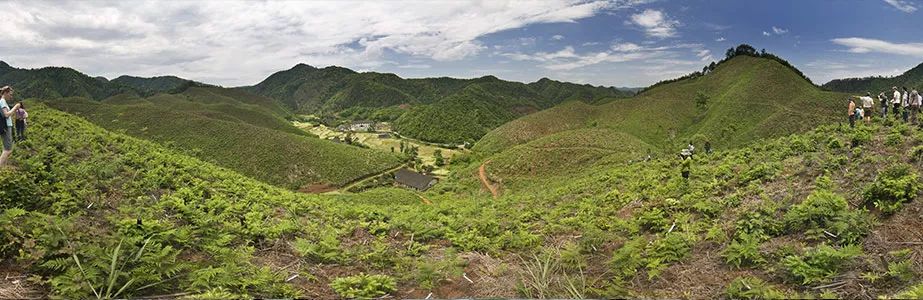
© Stefan Michalski
2009年7月,来自中国、瑞士和德国的科学家们共同合作,在江西与浙江两声交界的建立了一个大型野外生物多样性实验 —— 中国亚热带森林生物多样性与生态系统功能实验(BEF-China)。该实验在不同样本林地种植了多样性程度不同的的树种组合,从单物种纯林到由16个物种组成的混合种植林地,旨在研究树木多样性对森林生态系统功能的重要性。8年以后,每公顷16个物种的混合种植林地的平均碳存储量约为32吨。而每公顷纯林的碳存储仅约为12吨,不及混交林碳存储量的一半。植物通过光合作用从大气中吸收CO2,并转化成自身的生物能量。如果种植的森林能存储更多碳,我们能在增加木材产量的同时,还可以缓解温室效应。
混交林的碳存储量是纯种林的两倍
该研究结果与BEF-China此前发表于《Proceedings of the Royal Society B》杂质的一个野外观测研究结果一致,即树种多样性与碳存储量关系在自然林地中也呈正相关。这一系列论文的通讯作者,中国科学院植物研究所的马克平教授指出,“此前的研究是基于不同多样性水平的自然森林样地,因此无法证明更高的生物多样性是直接导致更高碳储量的原因。但现在我们通过一个野外控制实验,严格控制森林树木物种多样性,并得出了同样的结论。这证明了物种多样性是森林高产的原因。”
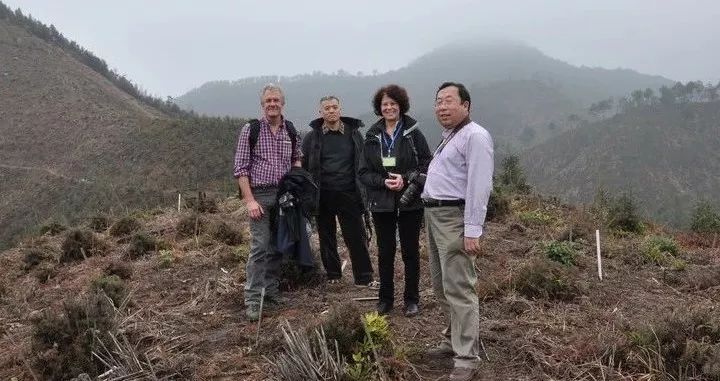
生物多样性能提高植被生产力,这一点在此前欧洲和美国的草地生态系统中已有实验证明。相比于草地生态系统,森林生态系统具有更丰富的生物多样性,树种间的生态位可能更相似。因此,科学家们曾推测森林生态系统生物多样性作用很小,或这基本没有作用。但是BEF-China的实验结果推翻了这个推论。“在中国的森林生态系统实验中,生物量随生物多样性的增加而快速增长,与草地生态系统类似。仅仅在种植4年之后,我们就能明显看到纯种林与混交林的区别”德国马丁-路德大学的Helge Bruelheide教授同中科院植物所科学家们一同视察野外实验样地时说,“这些差别在接下来的4年里越来越显著”。
更高的森林生产力能缓减气候变化
目前,全世界很多地区都在开展大型的植树造林项目,希望种植更多的树木以缓解气候变化。在2010至2015年间,仅在中国每年新种植的森林就超过150万公顷。但这些新造林大部分为快速生长的纯林。“我们的研究表明,不同的森林在保护环境缓减气候变化中所起的作用并不相同:纯种林只能达到理想预期一半的生态系统服务。最大限度地提高碳存储及缓减全球变暖只能通过种植混种林来实现。此外,混种林也能贡献于保护世界濒危物种。”瑞士苏黎世大 Bernhard Schmid 教授是 BEF-China 实验的主要设计者之一,他解释道,“遗憾的是,目前整个林业仍存在一个普遍的误解:认为提高生产力和促进生物多样性,这二者不能同时实现。而事实则完全相反,种植多物种混交林反而能促进森林生产力”。研究还另外发现,种植多样性高的森林对虫害和越来越频繁的极端气候事件通常具有更高的抵抗力。与此同时,这也意味着全球生物多样性得到了保证。
从经济角度上,该研究结果也证明了混合种植的树林至关重要。如果将实验中观察到的结果推广到世界上所有的森林,那么全世界的树种多样性每降低10%,就会造成每年200亿美元的经济损失。
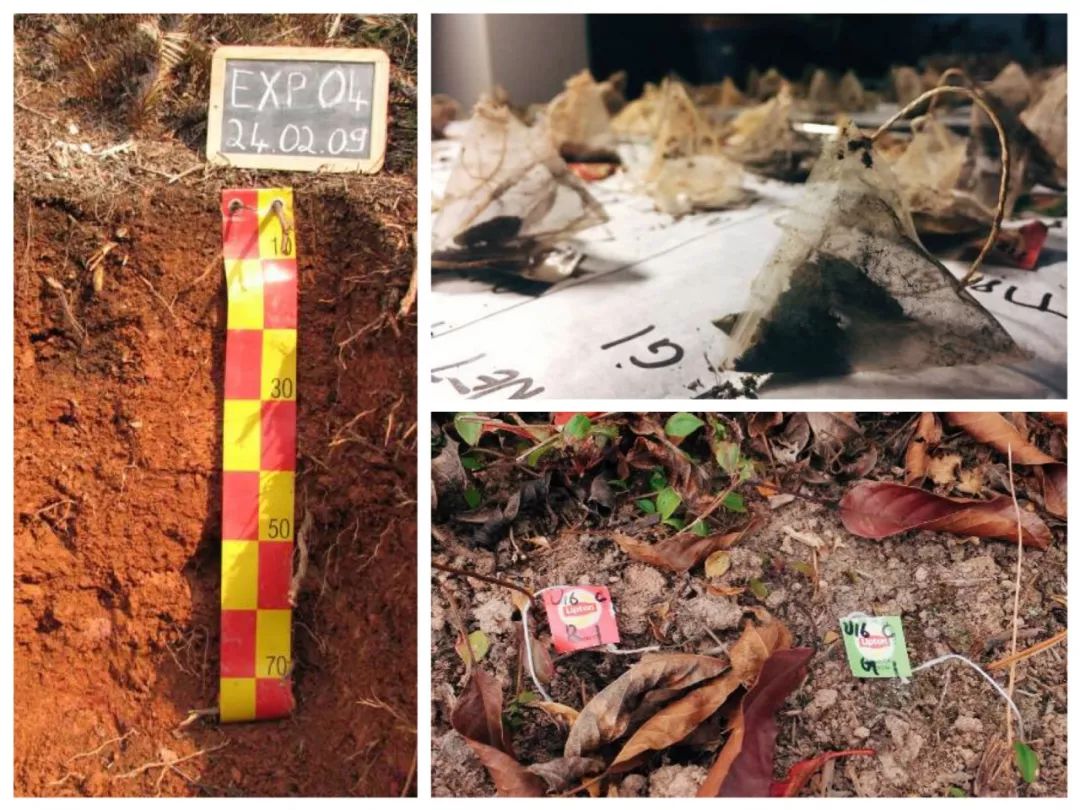
Species-Rich Forests Store Twice as much Carbon as Monocultures
Species-rich subtropical forests can take up on average twice as much carbon as monocultures. An international research team with the involvement of the University of Zurich has evaluated data from forests grown specifically for this purpose in China with a total of over 150,000 trees. The results speak in favor of using many different tree species during reforestation.
In 2009, BEF-China began as a unique forest biodiversity experiment incollaboration between institutions in China, Germany and Switzerland. The large-scale project investigated the importance of tree species richness for the good functioning of forest ecosystems. Stands of trees comprising different numbers of species were planted – from monocultures to highly species-rich plots with 16 different tree species on an area of 670 square meter.
After eight years, such species-rich forest plots stored an average of32 tons of carbon per hectare in aboveground biomass. By contrast, monocultures averaged only 12 tons of carbon per hectare – less than half as much. During photo synthesis, the plants absorb carbon dioxide from the atmosphere and convert the carbon to biomass. When a forest stores more carbon, this helps reduce greenhouse gases and at the same time also indicates high forest productivity.
Biodiverse forests are more productive
The fact that biodiversity increases productivity had previously been demonstrated through experiments in grassland ecosystems in Europe and the USA. By contrast, since it was assumed that all tree species occupy similar ecological niches, a minimal effect of biodiversity was conjectured for forests. Evidently, however, this assumption was wrong. “In the forest biodiversity experiment, biomass increased just as quickly with species richness as it did in the meadow ecosystems. As a result, even after just four years, there were clear differences between the monocultures and the species-rich forests,” explains Prof. Helge Bruelheide of the Martin Luther University Halle-Wittenberg, co-director of the German Centre for Integrative Biodiversity Research (iDiv), which together with the Institute of Botany of the Chinese Adacemy of Sciences oversaw the field experiments.These differences grew continuously over further four years.
“These findings have great ecological and economic significance,” says Prof. Bernhard Schmid of the University of Zurich, senior author in the more than 60-strong writing team of the current publication in Science. A previous study already found a positive correlation between biodiversity and carbon storage. However, it was based on simple comparison of natural plots varying in species richness. “Therefore, it was impossible to conclude that higher biodiversity was the cause of the higher productivity. But now we have reached the same conclusion with an experiment under controlled conditions: a forest with a large number of tree species is more productive than a monoculture,” adds Prof. Dr. Keping Ma of the Chinese Academy of Sciences and co-manager of the project.
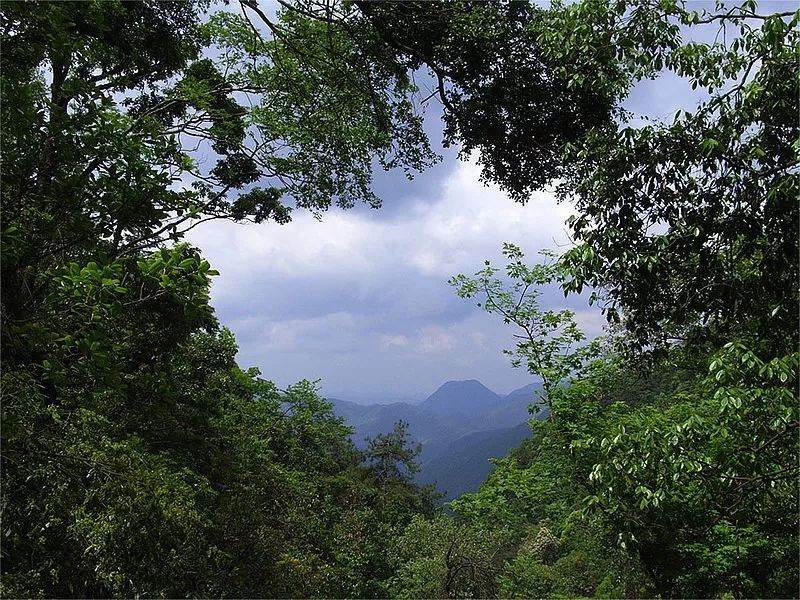
Gutianshan Nature Reserve, © Meinrad Schade
Higher productivity, better climate protection
Worldwide, there are plansfor major reforestation programs with the aim of protecting the climate through the planting of new forests. In China alone, between 2010 and 2015, 1.5 million hectares of new forest were planted each year, although mainly with fast-growing monocultures. “Our new study shows that forests are not all the same when it comes to climate protection: monocultures achieve not even half of the desired ecosystem service. The full level of carbon sequestration and thus mitigation of global warming can only be achieved with a mix of species. In addition, species-rich forests also contribute towards protecting the world’s threatened biodiversity,” explains Bernhard Schmid. “Unfortunately, there’s still a widespread misconception that productivity and biodiversity are mutually exclusive, but the opposite is true.” Species-rich forests are also less vulnerable when it comes to diseases or extreme weather events, which are becoming increasingly frequent as a result of climate change.
If the effects observed inthe experiment are extrapolated to the world's existing forests, it can be concluded that a 10% decline in tree species would lead to production losses of 20 billion US dollars, worldwide, per year. This result shows that, according to the researchers, reforestation with a mix of different species also pays offeconomically.
参考文献 Literature:
Yuanyuan Huang et al.: Impacts of species richness on productivity in a large-scale subtropical forest experiment, Science, 5 Oktober 2018.
DOI: 10.1126/science.aat6405
Click "Read More" below to get the paper in the Science Journal
中国亚热带森林生物多样性与生态系统功能实验
“BEF”是“生物多样性和生态系统功能”的简称,BEF-China项目致力于研究中国森林生物多样性和生态系统功能的关系。项目位于江西省德兴市新岗山镇,是全球首个在高生物多样性的亚热带森林建立的大型野外森林多样性实验。该项目的国际科研团队于2009年至2010年之间在约40公顷的山地上种植树木,最终建立了包含了不同的物种多样性梯度的500多个样地。整个实验的物种库有40个树种和20个灌木种。每个样地1亩,种植了400棵树。这些设计特点让BEF-China成了全世界最大的野外生物多样性实验。在这项大型生物多样性实验中,科学家们研究了不同生物多样性下的不同的生态系统功能,如碳存储、木材生产以及防止水土流失等方面。
来自中国、瑞士和德国的20多所大学及研究机构参与了该项目。研究经费来自于中国科学院、中国自然科学基金(NSFC)、瑞士科学研究基金(SNSF)、德国科学研究基金(DFG)和欧盟基金。
BEF-China (http://www.bef-china.de)
Through the BEF-China project, scientists are investigating the significance of biodiversity of trees and shrubs in forests in China. BEF stands for Biodiversity-Ecosystem Functioning, that is, the correlation between biodiversity and the functioning of ecosystems. The BEF-China project is the first forest biodiversity experiment to be established in the exceptionally species-rich subtropics. In BEF-China, over 30 hectares of forest were newly planted in a mountain area 400 kilometers to the west of Shanghai in 2009 and 2010. The more than 500 plots were planted with different combinations of tree species so that they could be compared later. Each plot is 670 square meters in size. This makes BEF-China the largest experiment of its kind worldwide. Working with such a large area makes it possible to measure a wide variety of ecosystem functions, especially those from which we humans benefit; the so-called ecosystem services such as carbon storage, timber production and prevention of soil erosion.
More than 20 Chinese, German and Swiss universities and institutes are involved in the project. The research is funded by the German Research Foundation (DFG), the Chinese Academy of Sciences, the National Natural Science Foundation of China (NSFC), the Swiss National Science Foundation (SNSF) and the EU.
联系方式 Contacts:
马克平教授
中国科学院植物研究所
Prof. Dr. Keping Ma
Institute of Botany, Chinese Academy of Sciences
+86 10-62836223
kpma@ibcas.ac.cn
Bernhard Schmid 教授
瑞士苏黎世大学
Prof. Dr. Bernhard Schmid
Professor of Environmental Sciences
Departmentof Geography
University of Zurich
+41 79 681 99 36
bernhard.schmid@uzh.ch
Pascal Niklaus 教授
瑞士苏黎世大学
Prof. Dr. Pascal Niklaus
Professor of Environmental Sciences
Department of Evolutionary Biology & Environmental Studies
University of Zurich
+41 76 528 59 20
pascal.niklaus@ieu.uzh.ch
Helge Bruelheide 教授
德国哈雷马丁-路德大学
德国 iDIV 研究中心主任
Prof. Dr. Helge Bruelheide
Professor of Biological Institute
Martin Luther University, Halle-Wittenberg
Co-Director iDiv
+49 345 55 26 222
helge.bruelheide@botanik.uni-halle.de返回搜狐,查看更多