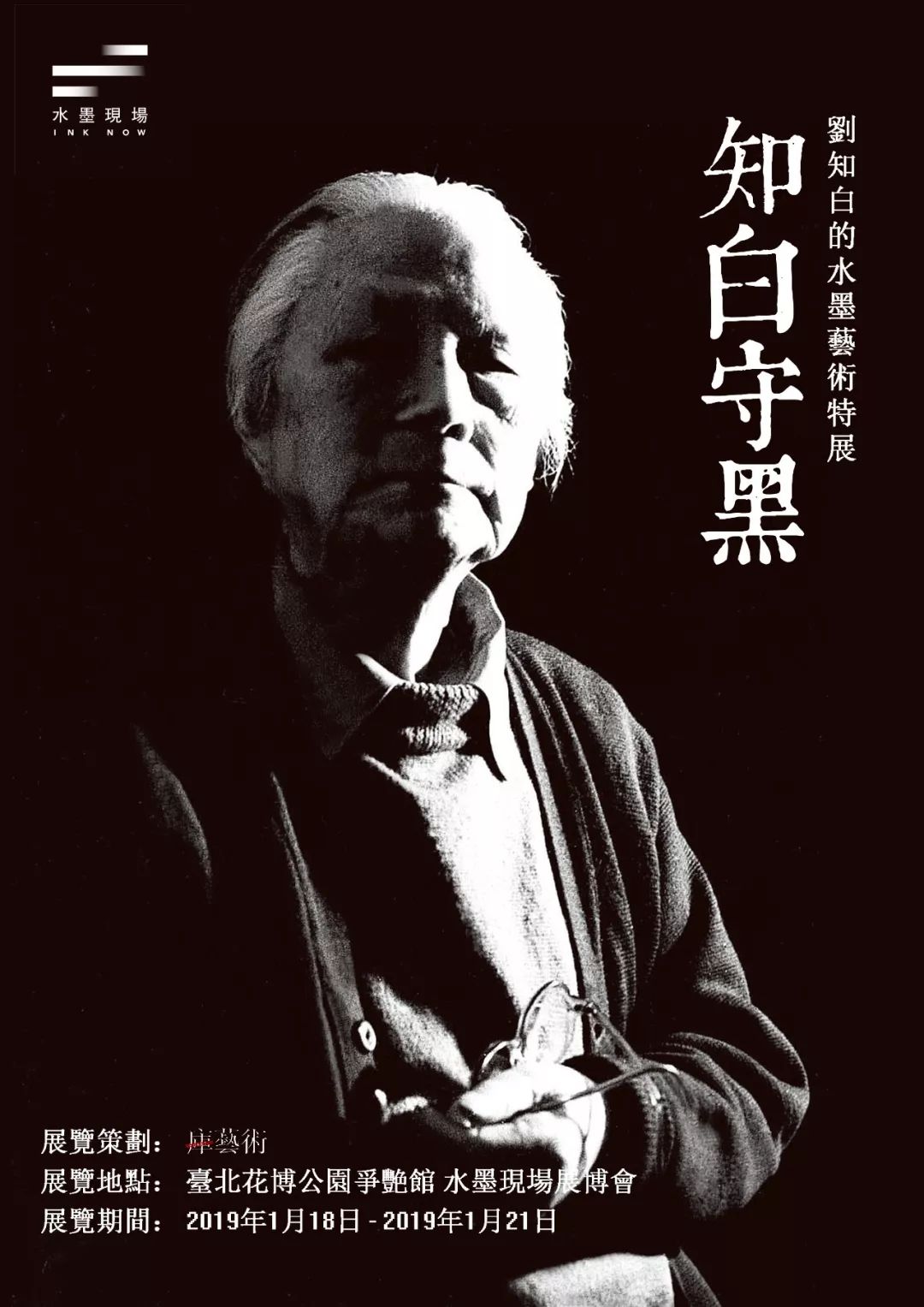
“知白守黑-劉知白的水墨藝術”特展
展览策划: 库艺术
展览地点: 台北花博公园争艳馆
INKNOW水墨现场展博会
展览期间: 2019年1月18日 - 2019年1月21日
在近现代山水画向现代形态转变的过程中,刘知白先生是继黄宾虹之后被历史所遗忘的一个环节。但恰恰是这种“遗忘”,尤其是在1949年以后的大背景下,刘知白先生在很大程度上得以深潜悟化,将山水的现代性转化这一历史课题推向自我完成。
知白先生早年从传统山水入手,经名师指点,行万里路,读万卷书,历经沧桑磨难,玉汝于成,彰显了中国文人士大夫造次必于是,颠沛必于是的风骨与旷达。其人其艺至晚年臻于化境,于黄宾虹之“浑厚华滋”“黑密厚重”之外另辟蹊径,于泼墨中见骨力,于澹远中显浑厚;其晚期作品已经近乎抽象,而恍惚间又如山中云雾缭绕,生机勃勃,纤毫毕现,彰显出中国山水文化独特的意象美学。道不孤,必有邻。知白先生的艺术自被世人发掘以来,近些年来愈发引起艺术界的重视。深入研究刘知白的山水艺术,对我们重新看待传统与现代之间的关系,思考传统文脉精神如何在今天重新焕发其新鲜活力等课题,都有重要的参考价值。
此次展览,旨在通过对刘知白先生的学术研究和作品展示,以点带面,呈现出在不同的历史节点,水墨画在创作上的探索和成就所走出的一条现代化的道路。
纪录片:知白守黑
白云千载
文/殷双喜
想到刘知白先生在20世纪中国画史上的贡献,就总有两位大师的身影出现,一位是中国的黄宾虹,一位是19世纪法国的大雕塑家罗丹。
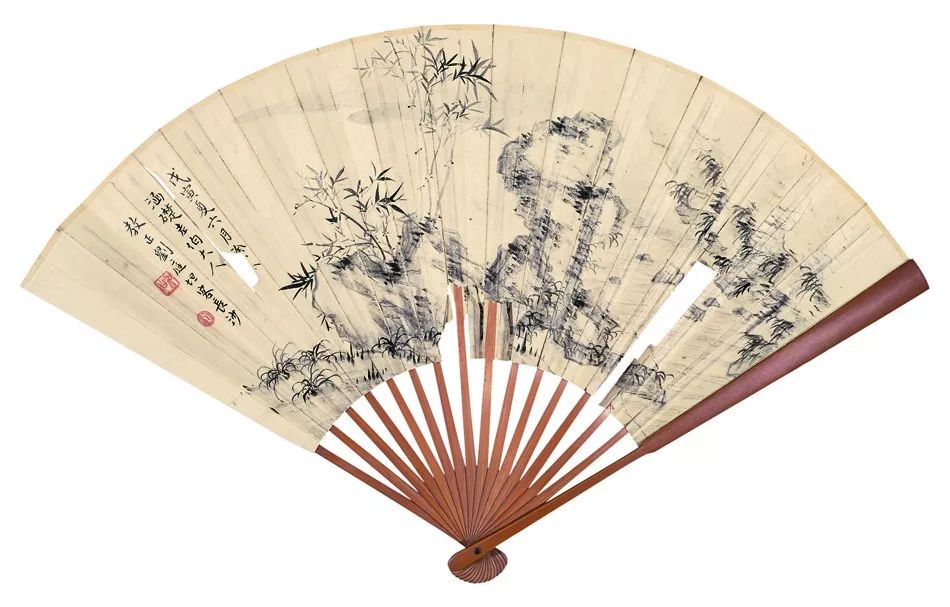
刘知白 20世纪30年代作品
知白先生与黄宾虹先生的共同之处是研习传统而不泥古,面向生活而非写实,精研古法而孜孜创新,最终达于内心真实与笔墨语言的融为一体。区别之处则在于黄宾虹先生坚持中国画的笔墨系统并回归自然,而知白先生则发展了中国传统画史中一向不为史家所重的“泼墨”传统,走向了主观心象的表达和内心情感的抒发,其画中的物象在视觉形象的丰厚朴茂方面,达到了一个苍茫寥廓的世界,我想称之为“心象山水”。在这一意义上,知白先生与罗丹相近,即他已经站在了传统与现代的临界点上,预示了新世纪中国水墨转向抽象与表现的历史趋势。
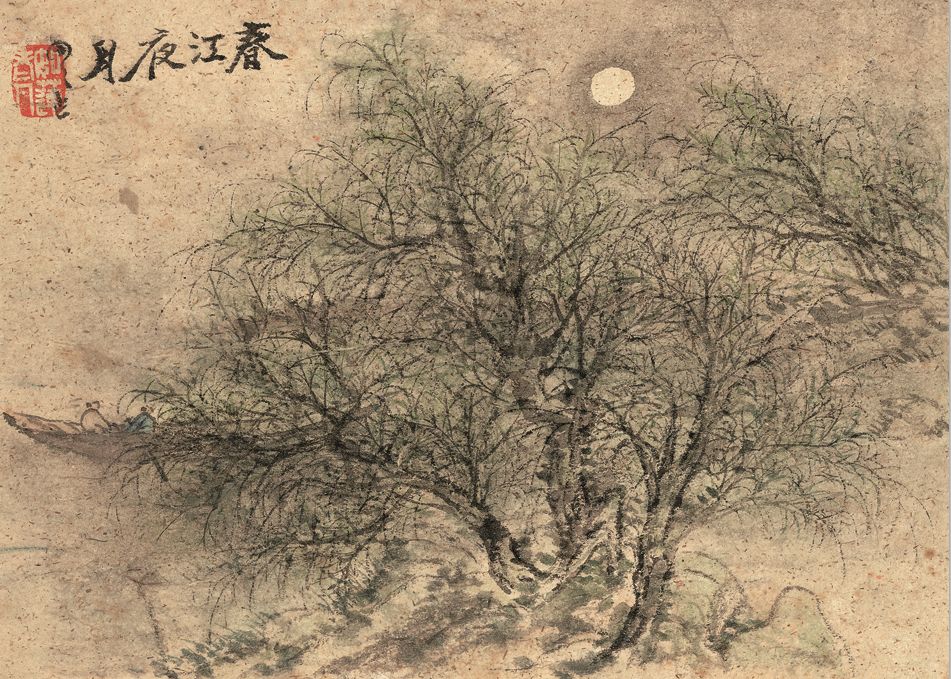
刘知白 丙辰册之春江夜月 1976年 纸本水墨
大哲学家熊十力先生强调人生与学术的最高境界即是“浑然与天地万物同体”的人生境界。著名国学学者袁济喜先生认为,中国传统文化所独有的“人生境界”,是理想与现实的统一,永恒与当下的统一。知白先生的水墨画,特别是晚年的泼墨山水,体现了一种超越世俗社会的高远境界,也呈现了先生历经磨难而不悔的浑厚丰富与苍茫寥廓的人生境界。
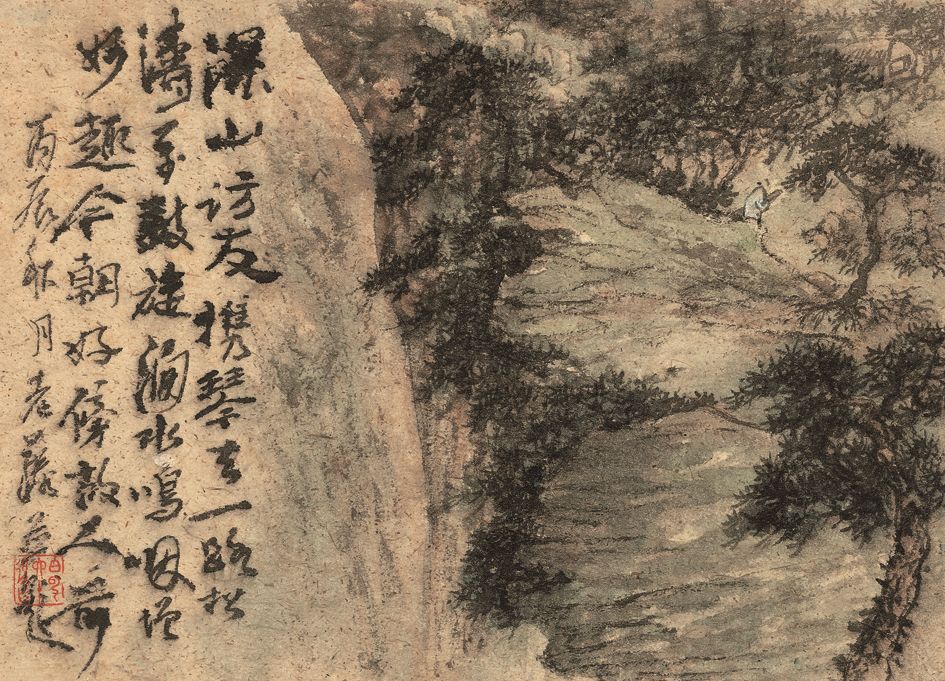
刘知白 丙辰册之携琴访友 1976年 纸本水墨
知白先生的笔墨随机、放松,富于行草般的书写性。其山水密而空灵,林木葱茏,生意跳荡,似有龙蛇出入,可以说达到了无法而法,无序而序。
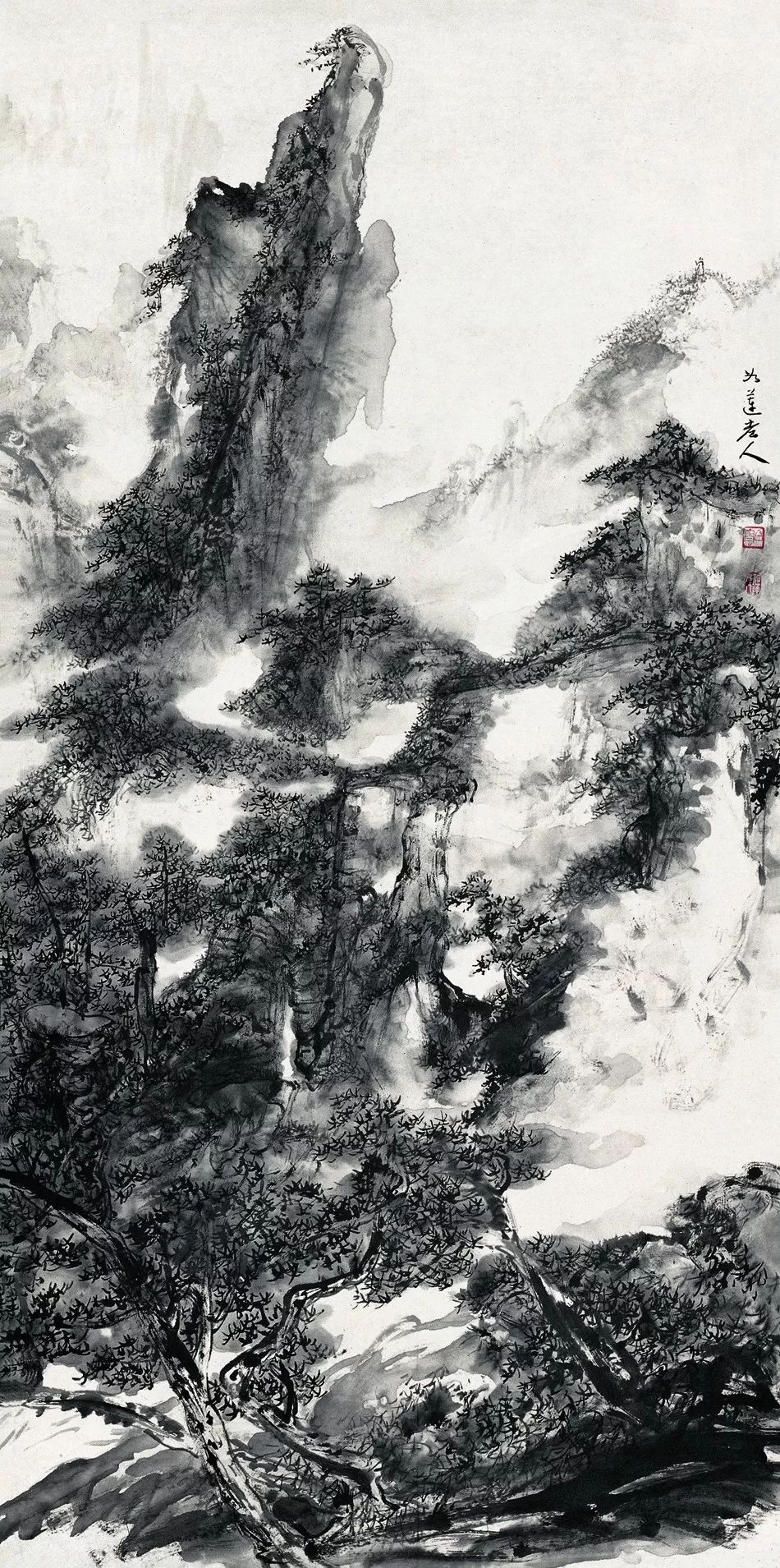
刘知白 奇峰耸秀 1973年 137×68cm 纸本水墨
知白先生力图融会石涛与黄宾虹,其灵动自然近石,高远繁茂近黄。
知白先生的主要经验是对传统画学和画法的非凡致力,他使中国传统画沿着自己的轨道渐进创新。
知白先生是那个时代的中国画家走向抽象最远的一位,但又是与传统保持着最紧密的精神联系的一位。
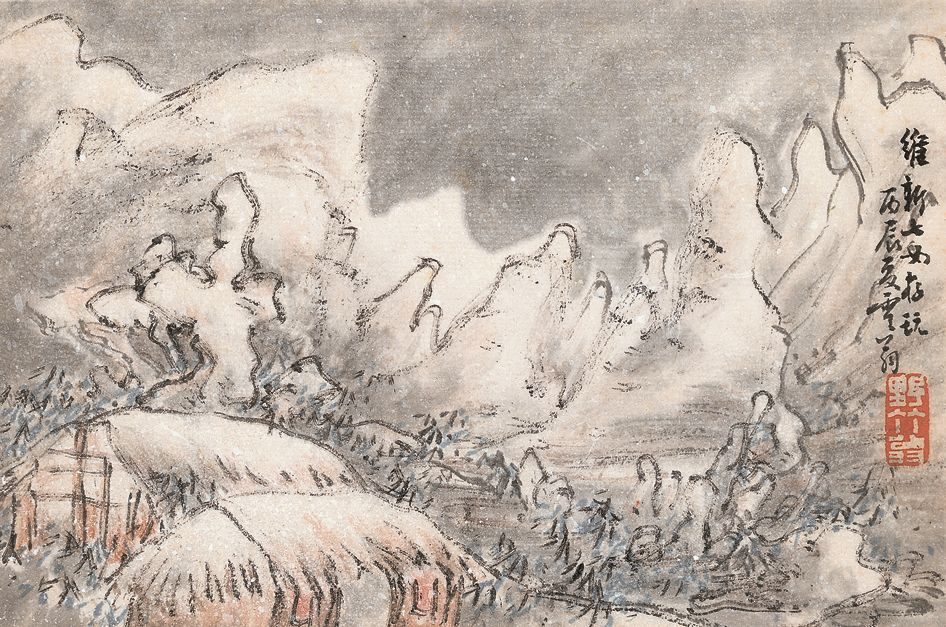
刘知白 嫁女册之嘉平瑞雪 1976年 11×17cm 纸本水墨
在20世纪这样一个极度动荡与生活困难的时代里,在一个西方文化强势进入的文化环境中,刘知白先生与一大批优秀的中国画家一道,孜孜于中国画的守成与创新,成为了中国画传统的最后守望者和新世纪创新的前行者。他的艺术生活与杰出作品,将成为我们宝贵的文化财富,给予后人以无尽的审美享受和创新的启发。
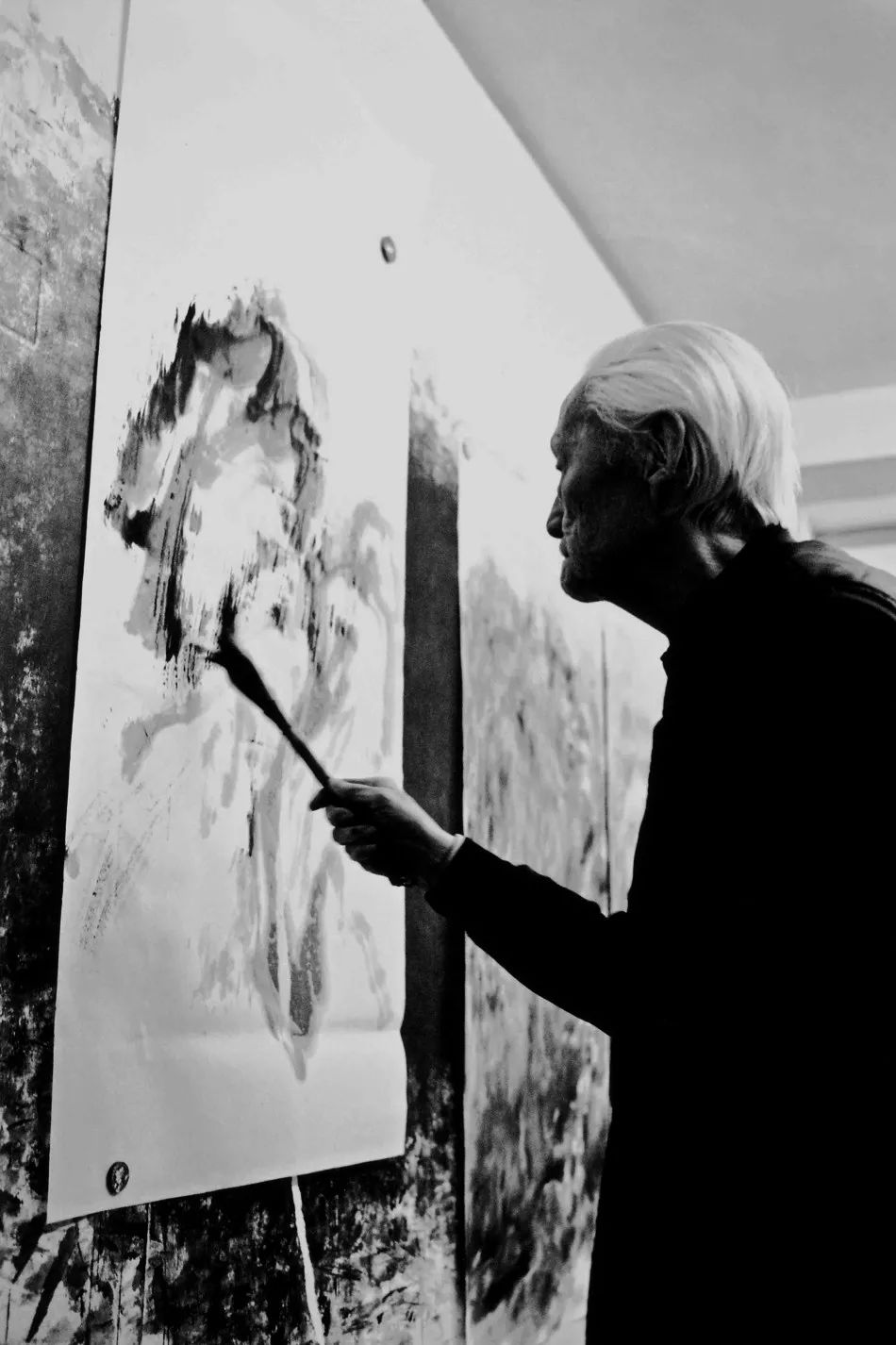
2003年春,刘知白在贵阳家中挥毫泼墨的情景
(Yin Shuangxi)
Speaking of Mr. Liu Zhibai’s contribution to Chinese painting history in the 20th century, I can’t help thinking of two great artists. One is Huang Binhong from China and the other one is Rodin, the great sculptor of the 9th century in France.
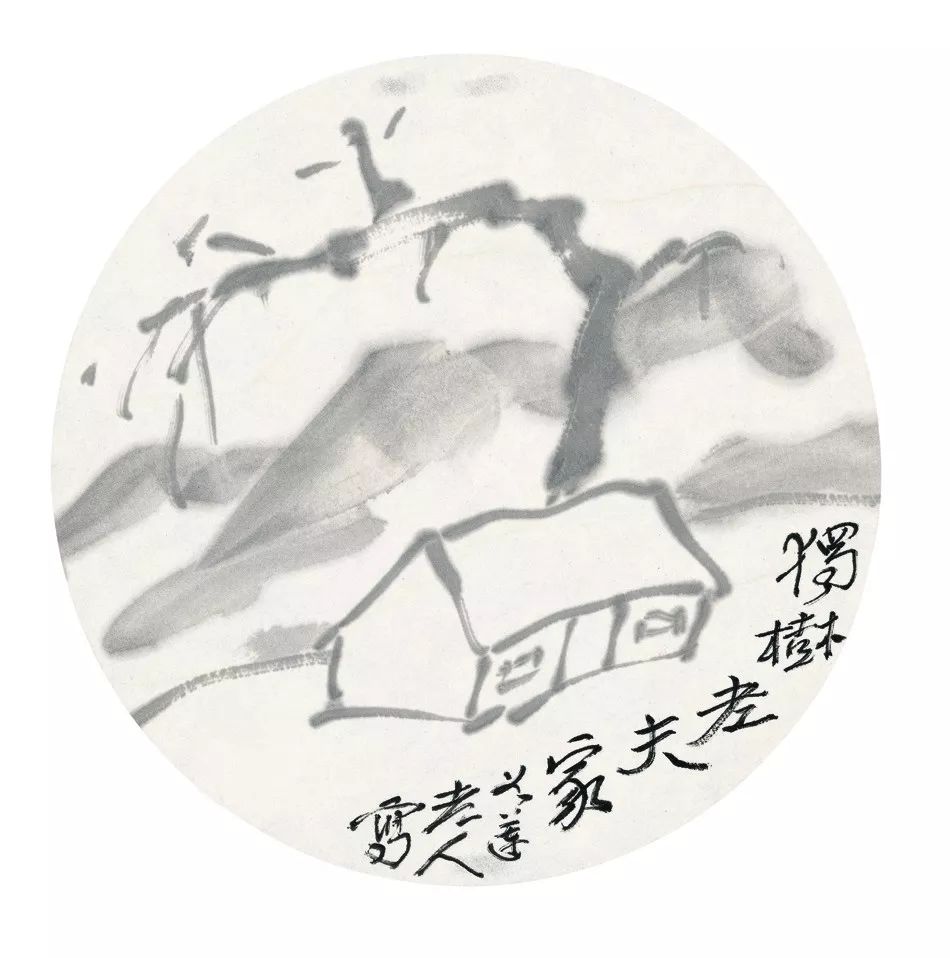
刘知白 独树老夫册之二 1993年 15×15cm 纸本水墨
Mr. Liu Zhibai and Mr. Huang Binhong have similarity in that both of them learn from tradition instead of rigidly adhering to it, express life rather than paint realistically and study traditional techniques but pursue innovation. Finally they achieve the integration of inner truth and ink language. The difference between them is that Mr. Huang Binhong sticks to the brush and ink system of Chinese paintings and return to the nature while Mr. Zhibai develops the tradition of “splash-ink” which has been neglected by historians in Chinese traditional paintings history, expressing the subjective mental imagery and inner emotion. The objects in Mr. Liu’s paintings are rich and sincere in visual image, composing a boundless world. I want to call it “Heart of Landscape”. In this sense, Mr. Liu is close to Rodin, that is, he has stood at the critical point of tradition and modernity, indicating the historical trend of Chinese ink painting embracing abstract and expression in new century.
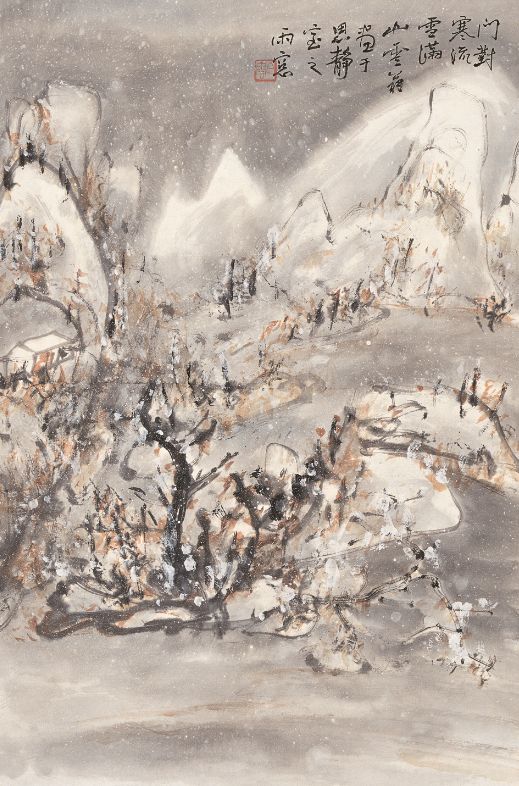
刘知白 门对寒流 1990年 66×45cm 纸本水墨
Mr. Xiong Shili, a great philosopher, stresses that the peak of learning and life is “Integrated with the Universe”. Mr. Yuan Jixi, a famous scholar of Chinese classics, thinks that the unique “life realm” of Chinese traditional culture is the unification of ideal and reality and of eternity and transience. Mr. Liu’s ink paintings, especially splash-ink paintings created in his later years reflect a high state surpassing secular society and reveal his rich and boundless life realm after experiencing difficulties without regrets.
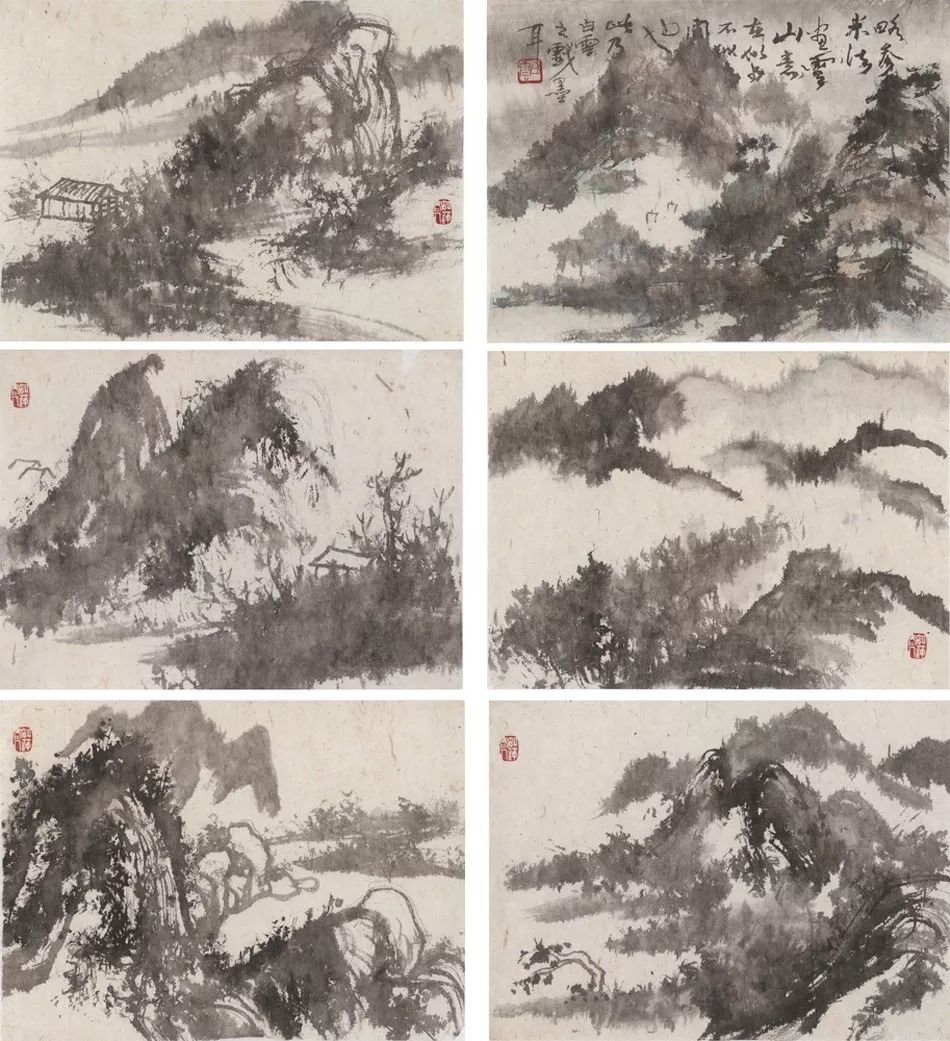
刘知白 山水册1 36×24cm×6 纸本水墨
Mr. Liu’s brush and ink are free and loose, just like running . In his paintings, mountains and water are dense and dreamy, and trees are verdant and lively, just like there are dragons and snakes going in and out. He follows rule and order in looseness.
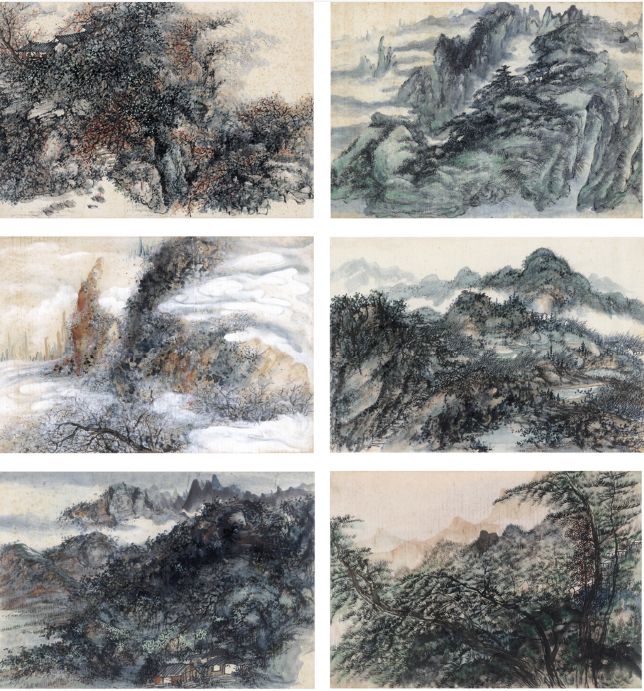
刘知白 山水册3 36×24cm×6 纸本水墨
Mr. Liu Zhibai tries to combine Shi Tao’s techniques with that of Huang Binhong. The liveliness and naturalness in his works is close to Mr. Shi while his loftiness and denseness is close to Mr. Huang.
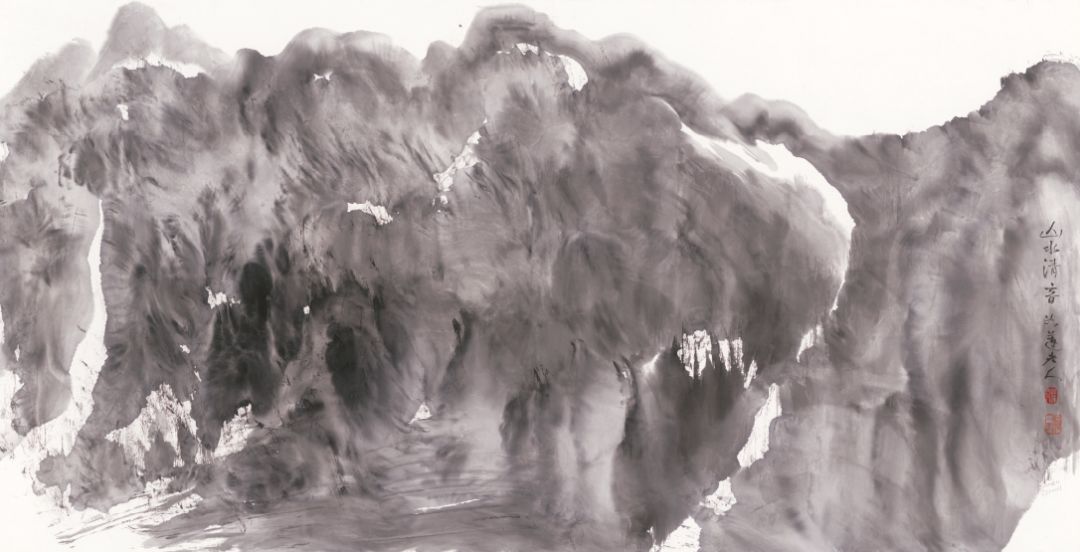
刘知白 山水清音 2002年 138×64cm
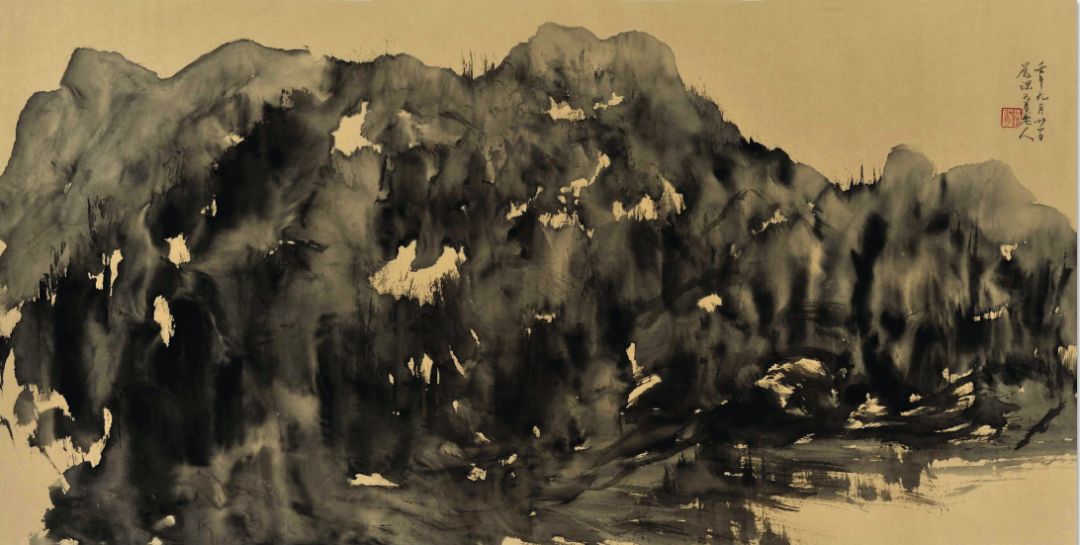
刘知白 壬申山水第096号 2002年 68×133cm 纸本水墨
Mr. Liu’s main experience is his dedication to traditional painting study and painting techniques. He makes Chinese traditional paintings walk along its road to innovation.
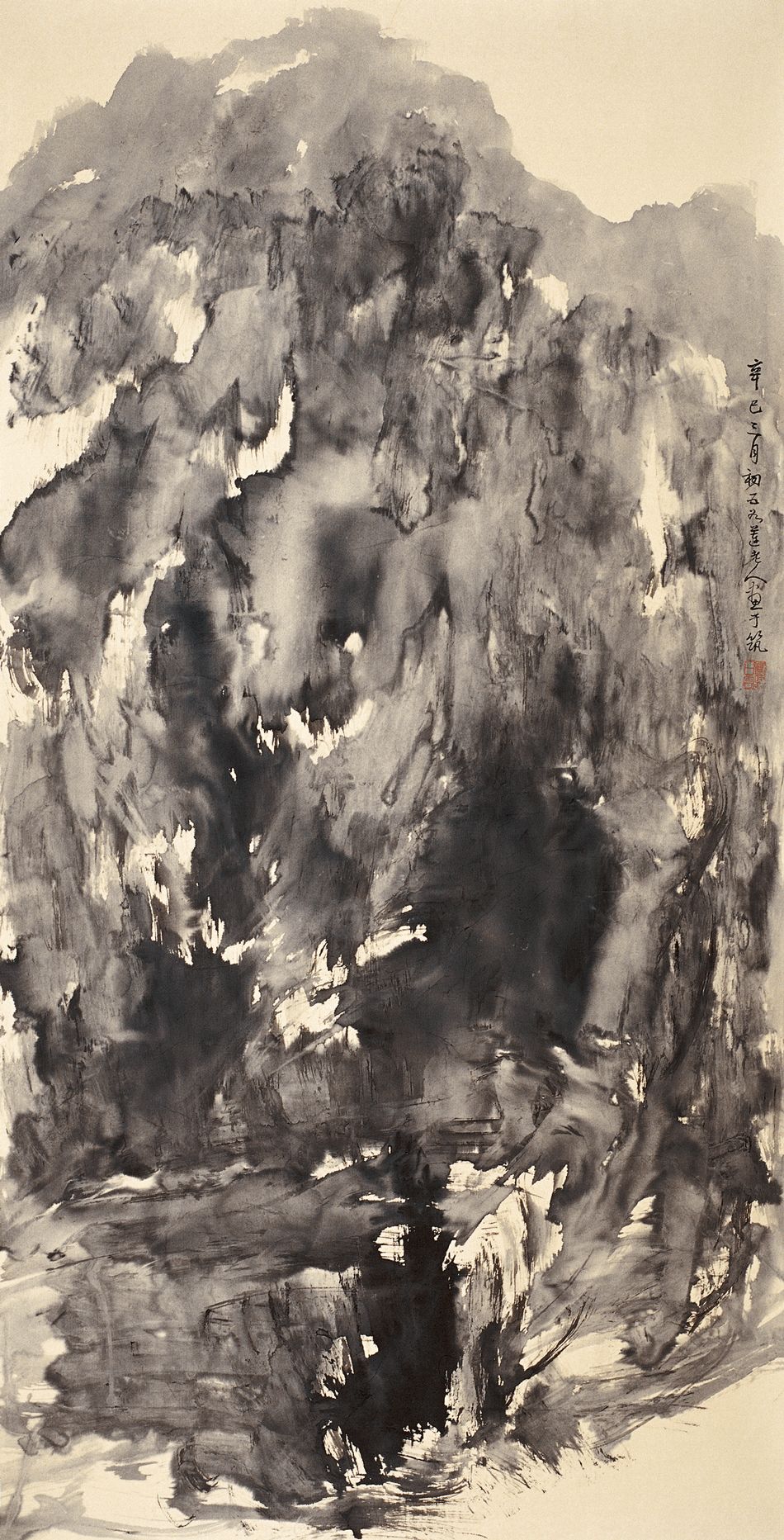
刘知白 苍岭浮翠 2001年 134×68cm 纸本水墨
Mr. Liu Zhibai is the Chinese painter who walks towards abstract farthest at that time but keeps close spiritual relation with traditional paintings.
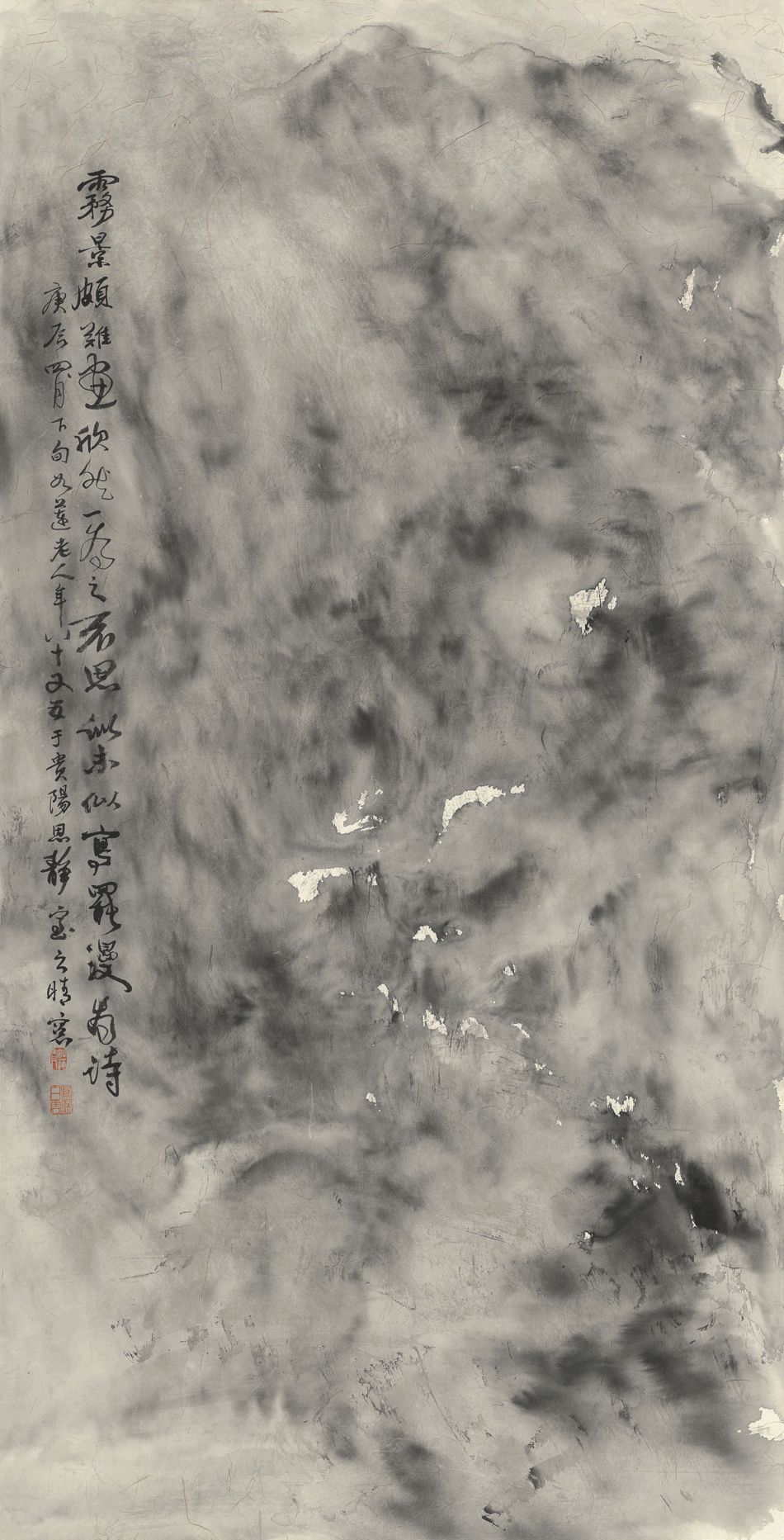
刘知白 雾 2000年 138×64cm 纸本水墨
In the extreme turmoil and hardship of the 20th century with western culture invading mightily, Mr. Liu Zhibai together with a batch of excellent Chinese painters devotes to the inheritance and innovation of Chinese paintings. They become the final watcher of Chinese painting tradition and forerunner of innovation in the new century. Mr. Liu’s artistic life and excellent works will be our valuable cultural treasure, providing later generations with endless aesthetic pleasure and enlightenment of innovation.
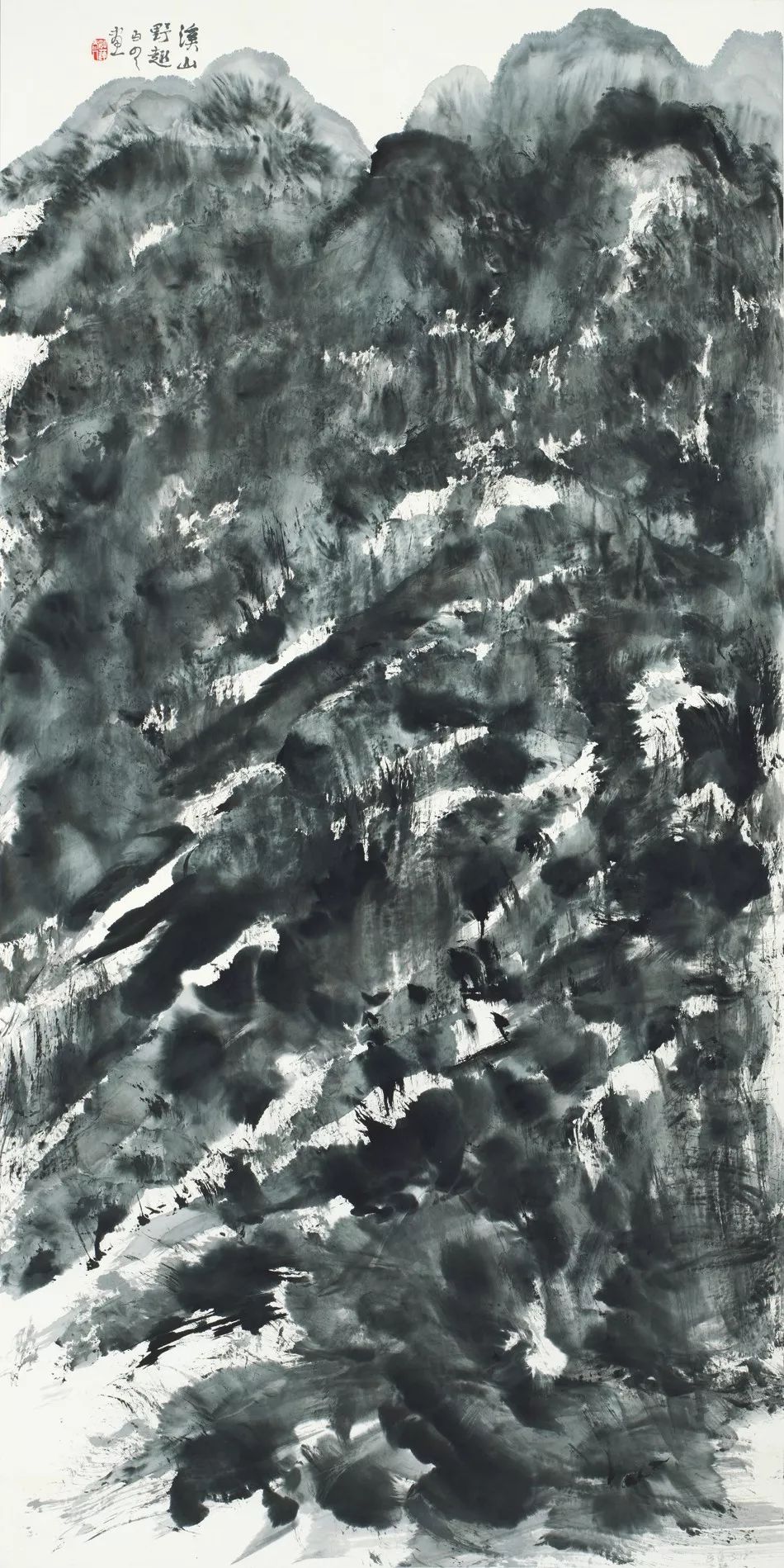
刘知白 溪山野趣 2000年 68.6×137cm 纸本水墨
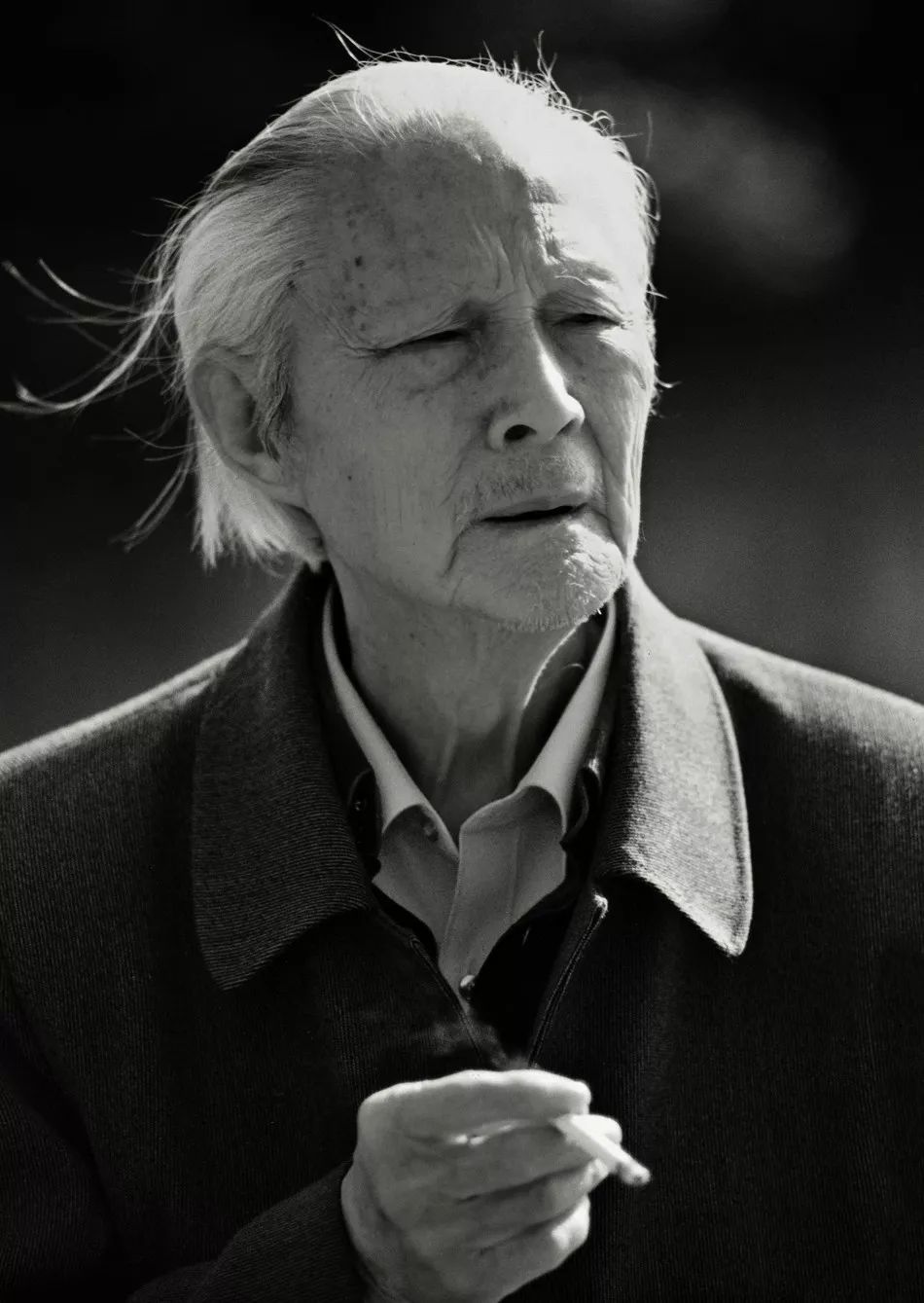
刘知白
LIU ZHIBAI
1915年出生于中国安徽省凤阳县,是当代中国艺术史上最具有创新性思维的当代水墨画大师。刘知白曾于1933 年就读于当时中国最好的艺术学校——苏州美术专科学校并师从于苏州美专中国画系系主任顾彦平先生,顾家是中国有名的大收藏家族,顾家的“过云楼”在100年间收藏了许多自唐朝至清朝以来的中国艺术史上伟大艺术家的作品。1935年,刘知白住进“过云楼”,并在顾彦平教授的指导下长期研究和探索中国古代伟大画家的艺术作品及艺术史。
二战时期日本入侵中国后,刘知白踏上了长达8年的流亡之路,1946年刘知白回到故乡任教于凤阳县中学教授艺术。1948年国共内战时期,刘知白再度避战乱于广西省,并于同年12月首次提出“学时有他无我,化时有我无他” 的画学思想。
在其后近50年艺术创作过程中,刘知白在持续不断研究中国古代艺术的同时又深入研究云贵高原的山水风物。一生坚守独立思想并苦心探索艺术创新道路的刘知白,终于在80岁时用其生命的最后十年时间走进他的艺术高峰,并创造出了与千年中国水墨画艺术不同的新艺术形式,表达了他独立于世俗社会中对于生活方式的选择与艺术表达。由于刘知白独特、自我的艺术表达,所以他生前一直不被中国主流艺术界所认可,直到他去世后,刘知白对于中国水墨艺术的探索和艺术精神的伟大贡献才被中国最著名的一批艺术史家逐渐发现,并纷纷撰写论文进行研究,称他的艺术是“上承宋元,下接明清,既继承了中国传统艺术的精髓,又注重艺术语言形式的创新”,刘知白60余年苦心研究古法,追求艺术创新而始终如一,并终于在80岁以后创造出了中国泼墨大写意山水画的新技法,成为中国画传统的最后守望者和新世纪艺术创新的前行者,即他晚年创造的水墨艺术已经站在了传统与现代的临界点上,预示了21世纪中国水墨转向抽象与表现的历史趋势。刘知白去逝后,多家出版社先后为他出版《中国近现代名家画集-刘知白》、《刘知白中国画集》、《黔山风骨——刘知白的艺术》及《清气和诗醉墨痕——论刘知白泼墨山水画》、《知白守黑——谈刘知白的艺术》等专著15部,20多篇研究评论发表于中国各类核心艺术杂志,90多件作品分别被中国美术馆、中国国家画院、贵州省博物馆等艺术机构收藏。
Born in 1915 in Fengyang County, Anhui Province, China, Liu Zhibai is one of the most innovative masters in modern Chinese ink painting. Liu Zhibai studied in Suzhou in 1933, in China’s best Art school at the time: the Suzhou Fine Arts College. He studied under Mr. Gu Yanping, director of the Chinese painting department of Suzhou Fine Arts College. The Gu family is a large family of well-known Chinese collectors. The "Guoyun Pavilion" established by this family has been collecting the works of many great artists in the history of Chinese art for nearly a century, dating from the Tang Dynasty to the Qing Dynasty. Starting from 1935, Liu Zhibai lived for a long time at the Guoyun Pavilion. There he studied and explored, under Professor Gu Yanping’s guidance, the works of the great Chinese painters and learned ancient art history. During the Second World War, Japan invaded China. Liu Zhibai then embarked on a journey of exile that lasted eight years. He finally returned to his home county of Fengyang in 1946 to teach art in a college. In 1948, during the Chinese Civil War, Liu Zhibai fled the war and traveled to Guangxi Province. In December of the same year, he proposed his first theory of painting, External Learning Focused on the Ego.
Throughout his 50 years of artistic creation, Liu Zhibai has studied all the landscapes of the Yunnan-Guizhou Plateau while continuing to nurture his passion for ancient Chinese art. The artist, who has always been independent and meticulously explored the journey to artistic creation, finally reached the peak of his own artistic creation towards the end of his life. He created a new artistic style, different from the Millennium ink painting of Chinese art, expressing his choice of lifestyle and artistic expression, breaking from secular society. Because of his unique and self-artistic expression, Liu Zhibai wasn’t recognized by the Chinese artistic community until his death. Fifteen years after his death, his explorations of art with Chinese ink and his great contribution to the artistic mind have come to be more and more appreciated. Art historians discovered him and devoted research trials to him. The first historian claimed that the roots of Zhibai’s art strongly owed to the Song and Yuan dynasties, to which was added a hint of the artistic style of the Ming and Qing dynasties. He affirmed that the artist had been inspired by both the essence of traditional Chinese arts and the innovation of artistic language. His 60 years of careful study of ancient art techniques and the pursuit of artistic and coherent innovation have helped him to create new ink painting techniques with which he unveiled Chinese landscapes only from the age of 80. He became the last guardian of Chinese painting and a pioneer of innovation in the new century: the art of ink painting, which he fathered in the last years of his life, marked a turning point between Chinese tradition and modernity. It puts forth the historical trend of abstract art and the performance of Chinese ink painting in the 21st century. After Liu Zhibai’s death, a number of publishing houses have released a total of 15 monographs and over 20 research journals with titles such as Book of Famous Artists of Modern and Contemporary Chinese Paintings - Liu Zhibai, Book of Paintings by Liu Zhibai, Qian Mountain Characters - Liu Zhibai's Art, Freshness of Painting, Ink Traces and Poetic Drunkenness - Ink Landscape Paintings, Defending Black by Appreciating White - The Art of Liu Zhibai. More than 90 of his works are now part of collections owned by multiple art institutions, including the National Art Museum of China, the National Chinese Academy of Painting, the Guizhou Provincial Museum, tand Anhui Provincial Museum of Art.
《库艺术》微店
刘知白艺术文献专区正式上线
品读佳作文献,了解大师传奇一生
此次上线书目:《刘知白山水清音:知白守黑-柯文辉观画独白》,《百年知白,黔山风骨—纪念刘知白先生诞辰100周年》,《中国国家画院精品书系—刘知白中国画集》,《中国近现代名家—刘知白作品精粹》(花鸟,山水,指墨)