首先,请您不要误解, 我写本文并非站在一个中国足球救世主的角度,也并非认为自己要当一个什么样的英雄。我只是一个在北京从事足球青训的教练,并深爱着这项事业。能够从事这样一份事业,始终让我深感幸运。
Firstly, I am not a wannabe hero a savior of Chinese football, I am just a youth coach and coach development manager who has built a life in Beijing by doing something truly amazing and something I am so passionate about, I think I’m the luckiest man in the world. I coach youth grass roots football.
从我走下飞机,踏上中国这片陌生的土地那一刻起,已有11个年头了。当初我怀着一颗挑战自我的心,想在这个国度做全新的尝试。当时除了知道这里有庞大的人口,我还感受到了地道的中国美食(在英国,中国美食被改造得“面目全非”)。
It has been nearly eleven years since I came off the airplane from the UK, seeking a challenge and a fresh start in a country I knew nothing about apart from the huge number of people and this is the home of orange chicken and prawn crackers (later to find out that it was all a myth).
我当时的想法很简单。来北京,向这里的教练们学习,然后培养青少儿球员,最终回到英国,构建自己的长期教练生涯。但我很快意识到,北京的青训足球存在很多问题,而且我有一种感觉,这些问题一直没有在中国得到正视,甚至也没人关心。
My plan was simple. Come to Beijing and learn from the coaches around me and educate the youth footballers of tomorrow then go home to the UK and try to build my coaching career. I very quickly realized that there was a huge number of problems here in Beijing and I am guessing China as a whole that nobody could see or that nobody was bothered about.
接下来,我详细说一下。
So, let’s get to it.
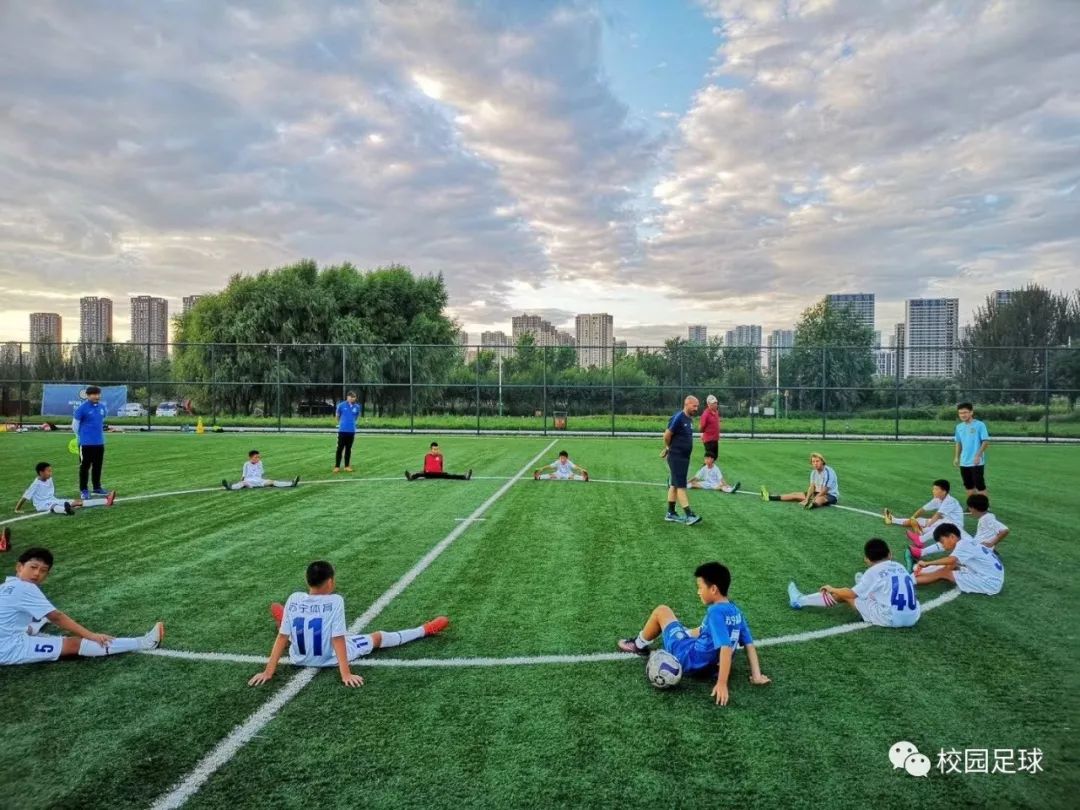
1.FUN
在足球中找到乐趣
我最初工作的足球俱乐部,确实地说是以足球培训为业务的企业。追逐盈利,这无可厚非。赚钱的同时,吸引更多的教练加盟,吸引更多孩子来学习足球,享受比赛。这无论对孩子还是对我,都是很有乐趣的。
I first worked for a football club that was a business in coaching football. Fair enough, that is fine. Make money, bring in more coaches, then coach more kids and get more kids playing matches and competitions to develop team play, player cohesion and for me, fun!
但是,当时的俱乐部,孩子们没有任何参与比赛的机会,甚至,连俱乐部之间友谊赛形式的比赛都没有。每家俱乐部都“关上门”各搞各的训练,没有哪家俱乐部愿意组织比赛,这一点让我很惊讶!培训孩子们踢球的真正意义,本应该是利用系统的课程、设置循序渐进的目标、教练与球员共同体验进步的过程、最终掌握各阶段的技能并取得成功。其中一个最基本的目标,就应该是为孩子们准备合理的比赛。
No matches and no competitions at all, I mean not even club versus club friendly games, it was every club for them selves and nobody wanted to play, I mean what… The whole point of coaching players is to use educational curriculums, small goals and targets to strive both coach and player to work together and succeed at all levels and abilities.One basic goal/target should be to prepare players for some form of competition.
现在十年过去了,青少儿足球的比赛已经取得了进步,但由于管理部门的低效,我们经常会看到很多青少儿赛事的运营组织效果并不好,球场安排不合理、球场数量不足、不合理的球场尺寸、比赛规则的设置等等。比如,安排5岁年龄组的孩子,在40米长的场地上,打6v6的比赛,用的还是4米宽的球门,这种安排除了能让极个别优秀球员“过进球瘾”,实际上对孩子们起不到任何帮助。
Now ten years on, the grassroots youth competitions are better, but with over the top with red tape, often poorly organised tournaments and competitions with limited fields to play on and inadequate field sizes, rules and regulations. Five-year-old players playing 6v6 with 40-meter-long fields and 4-meter-long goals is not going to help anyone but the best player on a team to score at will.
回到我前面说的主题——乐趣。没有乐趣的足球,6岁的孩子完全没有参与的理由。当球员能享受乐趣时,他们能在不知不觉中迅速地进步,这符合人类学习的本质规律,乐趣能推动你向前,并让你的激情与日俱增。
Let’s go back to the “FUN” comment I wrote above. Without “fun” in football then why do we send our six old to play at all. When you are having fun, you are learning in ways you don’t even realise, it is something intrinsic that jump starts inside you that pushes you and makes that passion grow.
如果孩子需要被强迫参加训练,盼望着训练早点结束,家长看到了还有什么理由让孩子们继续学习足球?有很多教练会让球员在训练中排着长队、做无休止的静态练习,与比赛场景完全不符,毫无趣味可言。甚至有的教练让球员们跑圈、对球员们粗暴呵斥……这样培训很难挖掘出球员的成长潜力,球员在训练时也很难注意力集中,很快就会感到乏味。这样的场景我见到过太多次了,少儿足球教练一定要意识到,他们训练的是孩子,孩子需要与成人不同的配套训练方式,而不是简单粗暴的直接灌输。发生这些情况时,往往是经验不足的教练在主导训练,或者教练缺乏敬业精神的体现,省去备课的时间,在训练中浪费孩子的时间。
经过精心计划的足球训练课对球员的成长才真正有益,即使在经验和知识方面有所欠缺,少儿教练遵循一定的方法也能轻松的为孩子提供有教育意义、有趣味的足球训练课。
No parents want to see their child drag themselves on and off a football field hating every second of it. Coaches that run line drills/static drills that are not match realistic or fun orientated, make players do laps for fitness, verbal punishment will not get the best out of their players and will not keep the players focused and boredom will soon set in also. I have seen all of this examples on a football field, many many time over the years and coaches working with children need to respect the fact they are working with youth players and develop their training accordingly and not coach what they want the players to do. It is often the case of a coaches lack of coaching experience or general effort to the class that makes a coach do the above to save time or waste time. A well planned session goes a long way and with little experience or knowledge any coach can run an educational and fun football session.
作为青训教练,始终要把足球训练的乐趣放在第一位,让球员首先能够享受足球,这应该是孩子们参与足球的首要原因。简化训练、安全训练、快乐训练。
We all need to remember the importance of fun for younger players, they need to want to play and most of the times they play it is because they enjoy it. Keep it simple, keep it safe, and keep it fun.
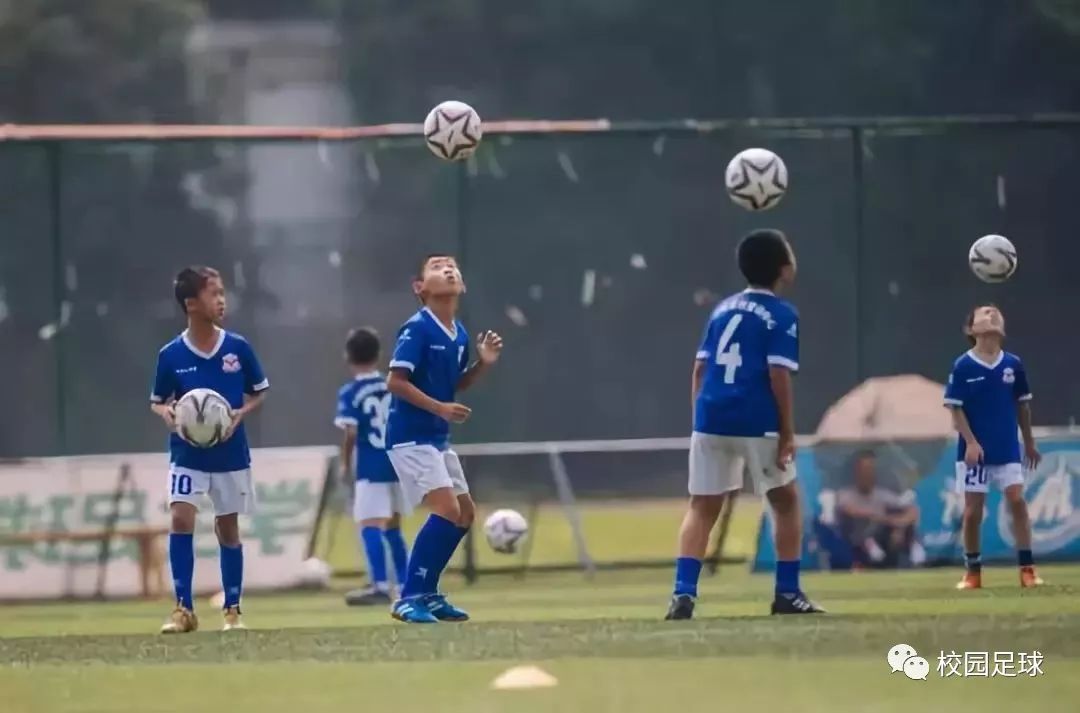
2.COMMANDERS
命令型教练
初来训练的球员,本是一帮对足球一无所知、脚都没碰过一次球的孩子们。这时教练员很容易扮演一个指控官的角色,直接粗暴地告诉球员做什么、应该怎么做。
A coach gets a group of children, who are brand new to football and have never even kicked a football or even touched AstroTurf. For obvious reasons he is going to be lord commander and tell the kids exactly what to do and how to do it and that is that.
我经常培训最初级的球员,看到他们从一无所知,到逐步掌握一些基本技能,一点一滴的进步,都让我感到莫大的幸福。而在我的课上,几乎没有出现过命令的形式,这样会阻碍球员形成独立意识,只会培训出机器人式的球员,稍候我会详细解释。
I often work with beginner kids and it is a true pleasure to see them develop and grow to actual mini football players form nothing to something. I very very rarely use the command style, this does not build independence and doesn't create anything more than robots which we will come to later.
命令,在足球训练中有时是不可缺少的,但我们不能无休止地指挥球员训练,要求他们,给出指令之余,为什么不多给他们一些启发?问球员是否知道为什么要学习某个技术动作,它们有什么用?
Command style coaching has to be used of course but instead of telling players what to do and when to do it all the time. Why do coaches never ask players why we do this action or movement and when can we use it and ask kids how to do it.
比如,我进行传球训练时,我会先为球员演示一个场景,在这个场景中传球会有什么好处,接着向他们演示传球的技术动作,最后才是让孩子们亲自尝试。经历了几轮练习后,把球员召集在一起,让他们演示一下传球动作,再问他们为什么需要传球,什么情况下应该传球。通过这种形式,球员很容易理解训练的目的,从而更主动地练习技术动作。从教练的角度,你也很容易了解到,球员是否真正领会了这节训练课的内容。
For example, I am running a passing drill, I show them how to run the drill, show them the technique and let them practice. After some practice, bring the group in and let them show you how it is done then ask them why we do this, when we should do this and give and example, which is very important so you can see they understand the drills/topic.This is a much easier way to tell if a group/player has learnt anything from the sessions.
我的每次训练课,开始时、进行中、结束时,我都会分别阐述本次训练的内容、问球员这样训练的原因和目的、课堂结束时再次问球员。初级球员在一次训练课下来,可能50%的人还无法掌握一节课所传授的技术动作,但他们心里都知道,为什么要学这个动作、在什么情况下应该用这个动作。这样,你作为教练,就很清楚地了解了球员们的进步,这同样是教学上的成功。因此,不用采取纯命令的方式,并简单地给球员下定论“这个孩子不适合踢球,他学不会。”
Every class I take, at the start at the middle and at the end I say what we will practice, ask them why we practice this and at the end ask the questions again. 50% of all my beginner players may not be able to do skills and techniques well or at all, but they all know why, when and where they should do it. That just shows they are learning and a coach can see success in other forms other than, you can’t do it so he/she is failing and not very good at football.
在训练中引导球员,效果要远比直接命令球员好得多。当你训练球员从一个区域带球到另一个指定区域时,有一名球员为躲避人群,合理运用带球变向动作,更改了带球路线,最终到达指定区域。教练应当在此时表扬这名球员主动观察和思考,但很多教练并没有予以鼓励,而是告诉球员们怎么样做才是对的,然后让球员们一遍遍参照着练习。要简化训练规则,这样球员们才能有更多的精力放在练习本身;培养孩子的独立判断能力,而非“机器人”。
Guide the players in the sessions is better then telling them. You want a player to dribble a ball from one area to another and one player goes the long way round because he sees all the other players together and it is hard to dribble. So many coaches tell them to come back and do it this way, when he/she should be applauded for being the smart player. Make the rules simple so the players can use their brains more and make them independent on the football field and not “ROBOTS”.
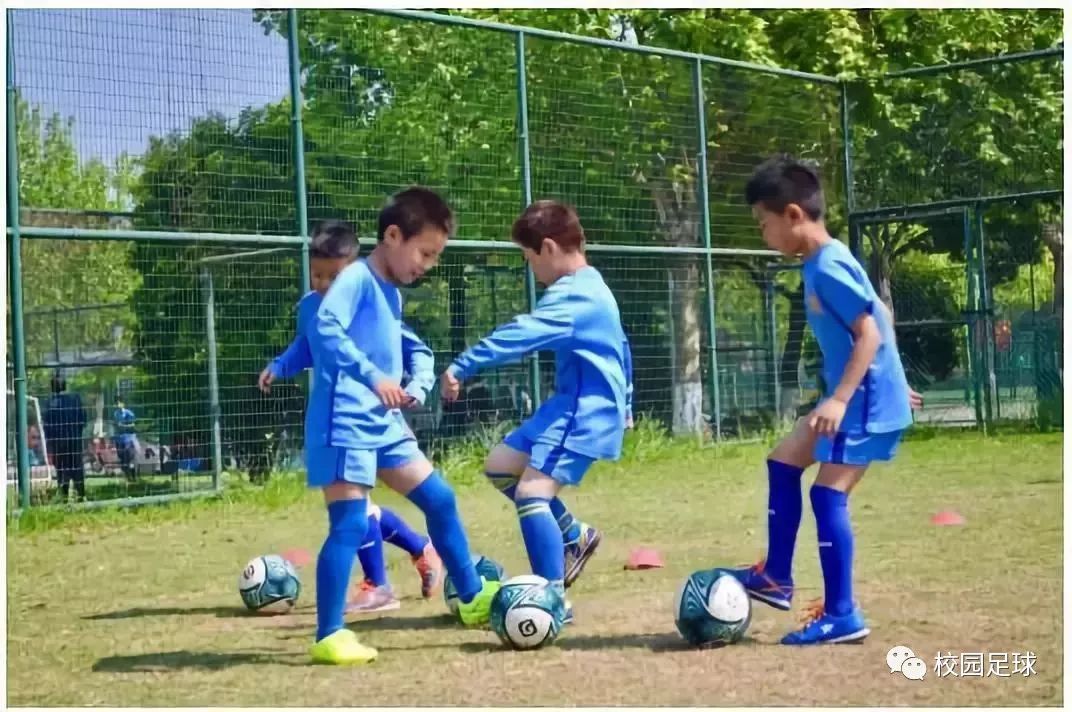
3.ROBOTS
“机器人”球员
我在北京各青少儿比赛中,注意到了一个明显问题,这个问题并非出在球员身上,而是教练员在比赛过程中的表现。举一个最近的例子,当时我正在观察7岁组的一场比赛,球场两边站着对阵双方的教练,他们都在不停地大喊,喊的内容无非是对球员的粗暴指令,甚至是斥责。
The biggest issue/problem with watching match play and competitions in Beijing is not the players, but the coaches and how they are during match play. I was recently at a game watching two 7-year-old teams play and at each side line there stud a coach shouting commands, shouting do not do this and why are you doing that etc.
比赛过程中,教练与球员之间有沟通交流是必要的,但在场上踢球的是球员,而不是教练,上述的粗暴指令对球员毫无益处,只会让球员压力陡增,甚至头脑大乱。“往这跑!传球啊!往那跑!……”教练简直像在玩真人版实况足球,手里还缺个手柄,而孩子们就被他操纵着。教练对场上球员大声斥责,是起不到一丁点帮助的。
Of course the coach needs to communicate with the players but the coach isn’t playing the game the players are and the players confused with these commands. “moving around, pass here, go there, do this do that”. The coach might as well be playing real life FIFA he is the controller and they do what the controller says, like “ROBOTS”. A coach shouting at a player for doing something wrong “during a match will 100% not help that player do well for the remainder of that match.
伴随着巨大的心理压力,和对输球的恐惧,球员只会越踢越糟。作为教练,你在赛前、中场休息,以及赛后有充足的时间向球员讲解比赛中暴露的问题,但不要在比赛进行中指责球员;另外,永远不要当着全队球员的面,针对性地指责某名球员。这种行为,在我看来,是一种口头惩罚、甚至是羞辱,对球员的精神状态有很大的负责影响。
He/she is only going to play worse with added pressure and fear of failure. Coaches have before the match, the half time break and the end of the match to pick out things that the team is doing wrong. Do NOT single out one player especially in front of the rest of the team. It is verbal punishment and for me, bullying and negative to any player’s mental state.
我在比赛中一般的做法是这样:
Here is a situation and what I would do in this situation;
球员半场时以0-3落后,后防球员和守门员都表现很糟糕,球员在场上经常被抢断丢球。这时我会给球员一些简单的鼓励:“注意多抬头观察、注意力集中,你们一定能进个球”。这种简单的方式会给球员以积极的鼓励。当然,最后比赛很可能还是以失利告终,球员的表现还是很糟糕,但呵斥指责球员是不会有任何好处的。
My team is losing 3-0 at half time and the defense and goal keeper have played poorly and the team is loosing the ball all the time. Add some easy verbal communication to the players. “Keep your heads up, keep concentrating and you can get a goal” it is positive reinforcement. Yes, the game may be lost and the team Is not playing well but there is nothing shouting bad things will fix.
中场休息时间,我首先会喊“大家都过来,都坐下,喝水休息,别说话,放松一下。”
It is now half time, and firstly; “Everyone come and sit down with me, get a drink and don't’ speak and just relax”.
让球员围着自己坐下,让他们放松,这样会打消球员的紧张、甚至害怕的心理。
The players sitting with me, makes them relax and not standing takes away the fear and intimidation element away.
“现在,大家身体状态都很好吧,没人想去撒尿了吧?”(积极、轻快的问题)
“now, is everyone fit and healthy and nobody needs to go pee” (positive, fun question)
“谁觉得自己本应该踢得更好?如果再多努力一些,咱们的场上表现更好一些?”我知道听到这类问题,大部分球员一定会举起手的,他们知道自己的表现并不好,但能做到更好。整个过程中,我不会点名批评任何一名球员,不会给球员平添压力。
“Who thinks they can play better than that? Who thinks if they tried a little more they could play better?”. I know most kids will raise their arms, knowing that they didn't play well but can play better. Nobody was singled out of the group and nobody feels huge pressure.
“比分没有关系,我想看到的是你们每次都有进步。”让球员在比赛中关注一些小的目标。“不用去想比赛的最后结果,争取进一个球,为了队友和全队努力跑动。”即使他们很可能会输掉比赛,但作为教练,不应该打击他们的志气,施加更大的压力,这样做无论在精神层面上,还是比赛表现上,都对球员没有任何益处。比赛过程中,球员需要的永远是教练的积极鼓励。多年来,我看到很多教练在场边做的,只是不停地呵斥和大喊,甚至言语上的辱骂,这与足球的体育精神完全不符。
“the score is irrelevant for us, performing better is what we want to see and do”. Keep them thinking in small target and goals. “let’s get one goal and build from there, let’s go out and work our socks off for our team mates and friends”. They will most likely lose the match, but making them feel bad or adding pressure is never going to help a young player mentally or physically play better. Always positive reinforcement in match play. I see so many coaches scold and shout and verbally abusive to young players over my years here and that is not in the spirit of football, for sure.
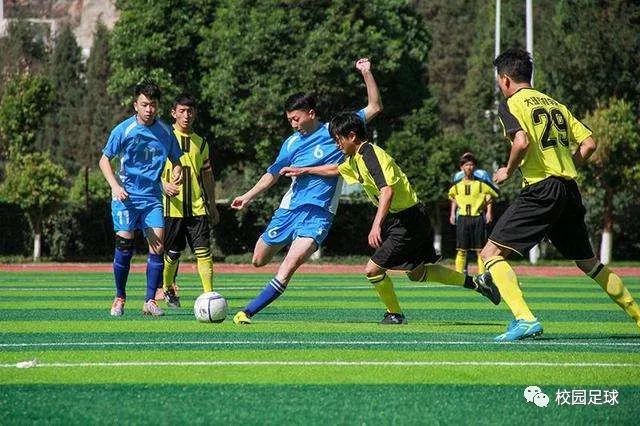
4.TOPICS
训练要有主题
教练员应该有一个完整的课程计划。我始终有一套三年期的课程。第一年的课程,为球员设定基本的训练目标,让球员为参加比赛打好基础;第二年的课程,增加一些与比赛相关的训练目标,让球员开始参与比赛;第三年强化比赛训练,提高球员的比赛竞争力。每一年都要有训练目标,最终一步步地实现更大的目标。整个过程中,教练员能够清楚的评估球员的变化和进步。
Coaches need to have a curriculum for all players. Me, I have three yearly curriculums. 1st year, 2nd year and 3rd year. Year one sets basic targets including being ready to attend match play at year 2. Year 2 sets more targets and gets players to play and compete in match play. Year 3 sets players to be able to win and excel in match play. Each year there are many small targets that come together to build bigger targets that a coach can easily see success and build on that success.
每次训练都要有明确的主题!
Every session has a TOPIC!
比如初级球员的一节训练课,主题:基本带球技能
期待目标:两脚均衡带球,掌握三个不同部位的带球动作,带球时控制球与脚的距离。
整节课,并不涉及花哨的带球技巧,不涉及技战术,不需要对这节课的教学成果有过高的期待。简化训练,让训练内容与主题紧密相关!
Topic-Basic Dribbling Skills-Beginners
Outcomes-two feet to dribble-know three sides of the foot to dribble-small touches only.
That is is, no fancy skills and no tactics and over exaggerated outcomes. Keep it simple and keep it RELEVANT!
我经常会看到有的教练或俱乐部在训练时发生这种情况:
Far too often, I watch other coaches or clubs do training and it is as followed;
训练主题:教练在训练开始时没有陈述,所以我也不知道。
Topic: Coach didn't say at the start of the class, so I don’t know.
训练目的:同上
Outcomes: as above
年龄组:8-11岁(通过观察猜测,球员年龄跨度较大)
Age: 8-11 years old (at a guess but a big mix in ages).
热身:绕场跑步(整个热身过程没有足球)
训练1:绳梯、标志碟、塑料圈。看上去应该是一个速度-敏捷-步频训练,但是教练并没有详细的示范技术动作,14名球员排成一列长队逐个训练
训练2:静态传球训练,没有教学点
训练3:绕标志碟带球,没有教学点
比赛:全场7v7。没有设置比赛条件,用来强化本节课的训练目标。
Warm up: running laps around the field (not even a ball to challenge them).
Main session: ladders, cones and hoops. I am sure it is Supposed to be a SPEED-AGILTY-QUICKNESS section, but coach doesn't show correct form and technique and 14 kids in one line waiting for a go.
Main session two: passing drills, static. No coaching points
Main session three: dribbling around cones. No coaching points
Match play: full field 7 v 7. No match play conditions to promote the topic and outcomes.
作为一名球员,当他们结束训练,回家被父母问起来今天都练了什么?他们恐怕自己也答不上来。这样的训练是难以接受的。
Now, as a child, when they leave that class and their parents asked what they practiced and learnt and they say “I don’t know” the coach has failed the kids and parents and it is not acceptable.
制定训练计划,让每个人都参与进来,这本来是很简单的。但是经常有很多教练选择最简单快速的训练方式,敷衍了事,然后草草收场。
It is easy to do a session plan and help everyone involved and far too often coaches seem to look for the easiest and quickest way to get a class done and over to the next session.
球员们可能每周只来训练一次,他们对这节训练课怀着十分期待的心情,而教练也应该用相同的态度对待训练,从始至终对每节课保持相同的热情和投入。
Players may come once per week to a class and a coaches needs to treat every single class like it was his/her first class of the week, with the same enthusiasm and same intensity as the last.
不要误解我的意思,在北京有很多优秀的教练,而我们和中国足球一起,需要先认清现况,再逐步地完善和提高。
Do not get me wrong, there are plenty of very good coaches in Beijing and I am sure China and I am only going form what I have seen on many occasions.
5.MATCHES
比赛
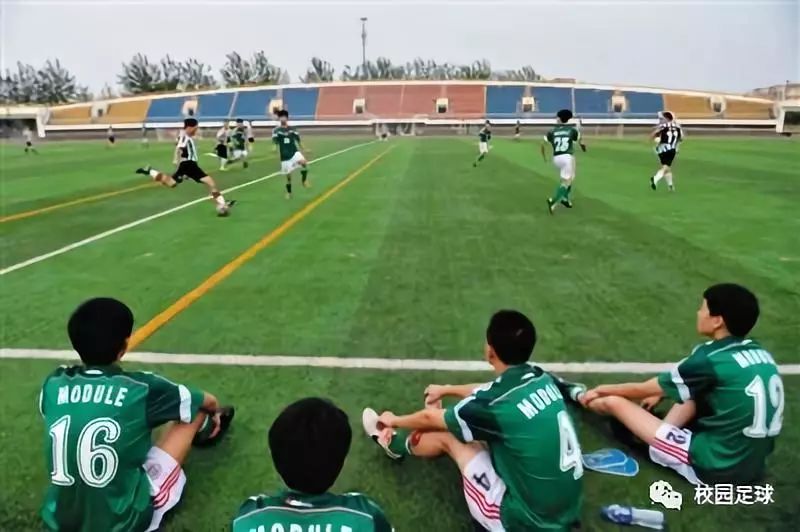
每一名教练都希望他的球员们,穿着整齐划一的球衣满场奔跑、进球、庆祝,享受足球的快乐。但现实的比赛中,球场和球门太大、球队人数不合理,都会让比赛效果大打折扣。
Who doesn’t want to see their child in the full football kit running around, scoring goals, screaming for joy and having many hours of fun on a football pitch. In reality, the fields are too big, the goals are oversized and the team numbers are not helping development.
场地——通常情况下,球场如果太大,球员们站在巨大的平面上,会感到无所适从,完全没有位置感,技战术也没办法贯彻。如果孩子们平时是在五人制球场训练和比赛,却突然用半个,甚至整个11人制球场来比赛,这对小球员们是毫无意义的。因为在训练中他们可能练习的是5米左右的传球和带球,突然到比赛中,需要带球超过20米或传球超过10米……这种安排无法让球员真正地提高。小场地能够增强球员在有球、无球状态下的动作频率,快速的2过1短传,从而提高球员的创造力、全面性、对比赛的控制力。
Fields-Basically the fields are too big and players are lost on the vast planes and have no idea on positions and tactically are lost. When you train on a 5v5 sized field and play matches on a half 5v5 field then play on a full sized half pitch or even full size 5v5 field then it is pretty much pointless. In training they may be doing 5 yard dribbles and five yard passes then they go into a match where they have to make 20 yard dribbles and runs and 10 yard passes… This is not helping anyone. Small sized fields that promote, quick movement on and off the ball and short 1-2 passes are much better to create smart, well rounded, influential and creative players.
球门——少儿球员参加比赛,比分并不重要。如果使用大球门,守门员根本不可能迅速移动,覆盖两侧门柱的距离,这样的安排是没任何意义的,而且这种情况下,球员倾向于直接大脚往前踢,而不注重精确,球员在这种比赛中是不会有提高的。用小球门,守门员可以做出有效的扑救动作。如果对手更强大,无论用什么球门,他们最终还是会赢的,但4-1的比赛要比10-2好得多,比赛结束时,两支球队都可以有较好的心态。
Goals-At a young age the scores do not matter and should never really play a big part. Having huge goals and goal keepers that cannot touch both posts quickly is silly and not productive and will just help the one payer that can kick hard and straight, no real accuracy is needed and nobody develops. Small goals that a goalkeeper can make a save or two in is much better. If a team is much better than you, they will beat you anyway no matter the size. 4-1 is better than 10-2. Both teams leave the field on a better mental state.
比赛规则——少儿球员的犯规,通常是由于失去身体平衡而摔倒,甚至仅仅由于身体笨拙。这种情况经常发生,教练和裁判应当把这种犯规视为少儿足球的一部分,不用每次都过于认真计较。教练在场边有时候会为了一次犯规和任意球争执得怒不可遏,这对比赛气氛影响很不好。界外球应当采用脚传球入场的方式,而不是手抛球,这样做一方面让比赛更流畅,另一方面小球员经常多次手抛球违例,导致比赛断断续续。少儿足球阶段,不应让某名球员始终充当守门员,而是让球员轮流把守球门。
Rules for matches-Young players foul (mostly from falling over on a player or just being clumsy) it happens all the time but referees and coaches should see it as part of the game and don’t make a fuss every time it happens. Coaches screaming and shouting for free kicks is silly and doesn’t promote a positive manner. Kick-in not throw-in, it is faster and foul throws happen far too often and just slow the play down. Pass-backs, let it happen it is a rule that helps nobody at a young age and just confusing to most players. At this age there are no real goalkeepers, so usually anyone goes in goal.
家长——我们当然希望比赛获胜,但不要看得太重。家长的角色应该是在场边观看比赛、欢呼、鼓励球员。一旦球员受到场边的指责和批评,他们往往会表现得更糟糕,甚至最后失去了踢球的乐趣。
Parents-We all want to win but winning isn’t everything. Parents should watch, cheer, promote and be positive to all players, parents and coaches. Most players play poorly when they get negative feedback from a parent and many players lose interest in football all together just from fear of negative parent feedback.
6.MONEY
资金
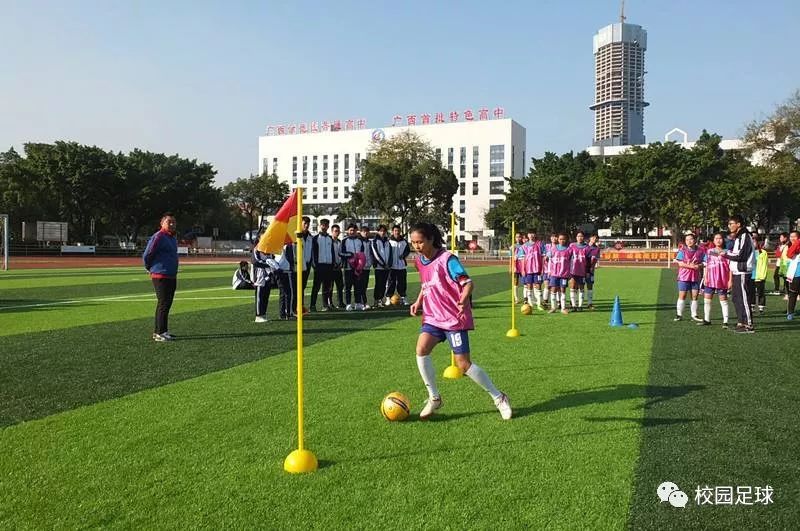
资本的力量让小俱乐部如雨后春笋般在北京市场上涌现出来,但他们消失的速度也惊人。他们聘请外教,收取高昂的训练费,认为就这样就能让俱乐部轻松运转下去。好的教练员在努力工作的过程中,需要不断发展出新的训练方式,来提高训练效果,这是一个长期过程。但大量俱乐部的涌入,导致球员在俱乐部之间的流转加大,有时可能仅仅是因为一次价格战,在某一位教练名下刚刚训练半年的球员,就转到了另一家俱乐部。这样的频繁转换也不利于青少儿足球的发展。
There are small clubs who pop up all the time in Beijing and they disappear as quickly as they come. They charge high fees for a foreign (Person) coach and think it will work. A good coach works hard at always improving and always developing new ways to improve and make sessions better for their club and players but new clubs coming in, taking players and offering low prices is just a thing in Beijing which doesn’t help the grassroots system.
不要误解我的意思,我并非反对球员在教练之间做出选择,如果我自己的某位球员转投了另外一名教练或俱乐部,我不会介意。每位优秀的教练都有自身的特点,能给球员带来新的收获。
Do not get me wrong if one of my players decides to go to another coach/club I will never be upset. Every good coach is different and has something different and new to offer players.
但我要说的真正问题是,现在市场上有太多俱乐部,招收大量球员,训练方式不合理,球员没有成长,最终很多球员、甚至俱乐部都中途离开了足球。俱乐部的首要目的,并不是从职业俱乐部寻找拥有漂亮简历、高规格证书的足球教练,而是寻找那些既能够激发球员热情,又能控制住课堂秩序,拥有良好沟通技能的少儿足球教练。证书并不等于好教练,能够合理的制订训练计划,并正确的执行,才是能够培训出好苗子的青训教练。
but… So many clubs get players and coach them incorrectly and players don’t progress, and fall out of the grassroots system altogether which is so very sad to find out.Clubs should not be looking for amazingly qualified coaches and with great CV’s form professional cubs. Clubs should be looking at people that inspire kids and make them laugh and inspire them to succeed but also be able to control a group, communicate and work with others. Certificates don’t make a good coach, the person delivering the session correctly, is the one that gets the most out of players.
好的青训教练能够让球员持续成长,让训练充满趣味性和教育意义,最终形成合力,构建起中国最需要的青训体系:充满乐趣、热情和关爱的青训体系,而非纯粹追求利润、成绩,训练出机器人的足球体系。
These coaches will build players and make it fun and educational and develop a system that China needs, one with fun, passion and love and not all about money, success and robots.
Feel free to ask me questions and give feedback. I am always happy to learn and develop and think of new ways of thinking and developing myself to develop others.
There can and should be a bright future for Chinese grassroots football, with hard work, passionate coaches, and people to take it onwards and upwards.
以我在中国10多年的观察,中国目前存在一些根本问题,都阻碍着青训足球的发展。我们要牢记,足球运动的发展始于草根层,从4岁年龄的球员开始。构成一个良好的足球金字塔结构,最应该关注的是低年龄球员。只有低年龄球员拥有一个良好的足球体系,有朝一日,中国才会有真正的足球文化,在各层面的国际竞争力才能有长足的进步。
There are fundamental problems I see in China that stop the development of youth football. We need to remember that football starts right at the bottom, with the grassroots players from 4 years old. This should be the main focus to develop a footballing pyramid that can benefit the whole Chinese footballing system and build a real football culture and increase participation at all levels and ages.
从入门级到专业级
Grassroots to professional level
近期的研究结果显示,从基础训练开始,到成为专业运动员,需要10000小时的训练和比赛量。这相当于平均一天训练3小时,每周20小时的话,坚持10年。在一个理想化的足球系统中,应有好的教练、俱乐部、充足的场地、竞争对手,当然了,也要有持续的资金。因为,在孩子们第一次接触到足球之前,我们还有大量的工作要准备,还不包括相应的体能、力量、速度、耐力等方面训练。
Recent studies show that the basics to becoming a professional athlete are 10,000 hours of training and match play. That is 3 hours a day, 20 hours a week for ten years. In an ideal system with good coaches, clubs, field space, clubs to play against and of course the money to pay for it. So even before you have touched a ball this becomes a difficult task for most people or aspiring football players. This doesn't take into account the physical and other basic requirements of strength, speed, endurance and the extra fitness and strength training needed.
详细地说一下:
Let me try to go into more details:
教练——一名球员接触的第一位教练将起到最重要作用。启蒙教练既可以成就一名球员,也可以毁掉球员的前途。如果球员一开始就无法享受训练,无法享受教练所营造的足球环境,他的足球未来还没开始,就提前结束了。因此,启蒙教练必须为孩子营造一个充满激情、关爱的环境,让球员充满参与足球的动力。
Coaches- A players first soccer coach is the most important, this coach can make or break a child’s future. If the player doesn't enjoy the session and the coach and the football environment, then it is over before it has begun. This is why a new coach needs to create the passion, the love and the drive to a young player in a fun educational environment.
俱乐部——能够让球员在大量不同俱乐部之间有多元化的选择,会更有利于球员的发展。每个俱乐部都有侧重点,有的关注发展竞技能力,追求比赛获胜;有的专注于趣味训练;有的专注于球员的持续发展,同时对竞技比赛结果有一定考量。球员在成长过程中的不同阶段,应当有选择在合适的俱乐部训练比赛。
Clubs- Having choices of clubs is the best way to insure players have choice and every club is different, some clubs focus on winning at all costs, some focus on fun participation and some focus on player development and winning and losing as a normal factor. Each has its place on a player’s growth and development.
场地——缺少训练场地,比赛场地的话,球员的能力发展会极大受限,潜能无法被挖掘。没有球场,就不可能发展足球运动。场地的缺乏是很多国家在发展足球运动时面临的普遍问题。
Field Space- No fields to train, no fields to play then you are limited in training and players reaching their potential. Without a field then there is no football. It is simple reality that this is becoming harder and harder in many countries.
资金投入——各个国家在这方面国情不同。有些国家为孩子提供了完善的培养计划,孩子们不需要付出较多的训练成本,这样的孩子无疑是幸运的。这些国家的足球体系也相对更加完善,有完整的足球人品金字塔结构,充分竞争的足球市场。
Money- Every country is different in this. Some countries have great programs for kids to go play for little money and they are the lucky ones for sure. These countries tend to have a well developed footballing system and pyramid and the market is full if not saturated with clubs, fields and players.
中国还未达到这一步,资金投入仍然是关键。粗略计算,假如一个孩子从入门开始训练,直到精英级别的职业层面,需要10000小时。
In China, this is not the case and money is essential. Breaking it down to the 10,000 hours.
中国的俱乐部正常情况下每节90分钟的训练课,学费平均为150元。
那么10000/1.5*150=1000000 元
这是一个小球员成长为职业级精英球员所需要的训练花费情况。
A club charges the going rate of 150rmb per 90-minute session.
10,000/1.5*150 = 1,000000rmb
That is 1 million rmb to give a child the chance to play professional football at the elite level.
比如我现在有一名4岁小球员,每周训练1-2次,他从4-14岁一直跟随我训练,每次训练课90分钟,同时也会参加俱乐部安排的一些比赛。到他14岁离开我时,已经经历了约2000小时的足球训练和比赛。接下来继续发展的话,就需要全天候的练习足球,每天平均3小时的训练量,到20岁时达到10000小时的总训练量,才会具备职业足球级别的能力。
Now let’s say I take a 4-year-old player for training once or twice per week maximum and if they stay with me until they are 14 years old and classes are always around 90 minutes and the also play matches with my club, then they will have done around 2000 hours of football. They will then need to realistically go on to do full time football 3 hours per day from then onwards to around the age of 20 years old to reach those 10,000 hours and be considered good enough to play at a the higher “professional” level.
我现在正在针对2岁的孩子和他们的家长,建立一套培养友爱和热情的足球游戏,并在家长和孩子中间营造一种启蒙足球氛围,让更多的中国孩子持续参与到足球运动中。
I now work with 2-year-old players and parent’s classes to build passion and love for the game and build a culture for parents and players alike to do something together and keep them playing and developing.
在读了前面所有少儿足球需要的基本元素之后,你是否对中国足球的未来有信心?
Having read all the above basic elements a player needs to succeed in China, do you think this is possible in the system we have now?
俱乐部追求盈利,比赛获胜,吸引更多球员。从公司经营角度,我完全理解这一点。但是,我从一名谦卑的教练角度,由衷地希望中国足球能够长足地发展。因此,一定要有改变,中国足球应该利用自身的人口优势、社会财富优势,以及通过北京奥运会之类的国际赛事获得到视野,来发展中国足球。中国足球走上正轨完全是可以的。
Clubs want to make money, win games and get more players. I totally understand the business of football. But… Being a humble coach and someone that wants China to succeed and fulfil it potential. Then there has to be a change. China needs to use its huge numbers of children, its huge amount of wealth and its vision just like the Beijing Olympics. It is possible and it should be possible.
当前,摆在少儿足球面前的还有很多困难和阻碍,比如资金投入、权力部门的官僚作派、陈腐观念、过时的训练模式、缺乏公平的比赛组织、缺少引领改变的倡导者。
At this moment in time there are many obstacles that stand in the way; money, red tape, old fashioned views, outdated coaching, a lack of neutral leagues, no real advocates who can and will stand up and make a change.
我在中国已经十年了,而且还会继续坚持下去,我热爱这份工作、这座城市,我会不遗余力地坚持我对少儿足球的热情和信念,我也相信中国足球能够创造奇迹。
I have been here ten years and counting, I love my work, I love my city and I will no rest, I will not give up and I will not stop building on what I believe in and what I think China is capable of.
本文内容部分采集于网络,出于传播中国体育和中国足球资讯的目的转载于此。我们承诺将尽力在转载或引用前获取许可,但由于人手有限,如有错漏敬请原谅。如您发现有侵权,请马上通过电子邮件联系我们,我们将在一个工作日内删文处理。联系邮箱:119939974@qq.com,联系电话:0536-8213136。